
Safety and SOS in Shenzhen
Safety in Shenzhen: who to call in an emergency and where to find Russian-language assistance.
Why safety in Shenzhen requires separate preparation
Shenzhen is one of Asia’s most dynamic cities, and its street-crime statistics are genuinely low for a metropolis of its size. Yet for Russian-speaking expats, the real risks rarely involve physical danger. They tend to arise where the language barrier meets bureaucracy: a road accident, a hospital admission, a customs hold, or a dispute with a landlord. Not having the right numbers saved and not knowing who to call in the first few minutes can turn a routine situation into a full-blown crisis. This article is a practical quick-reference guide to Shenzhen’s emergency services and Russian-language support in the city.
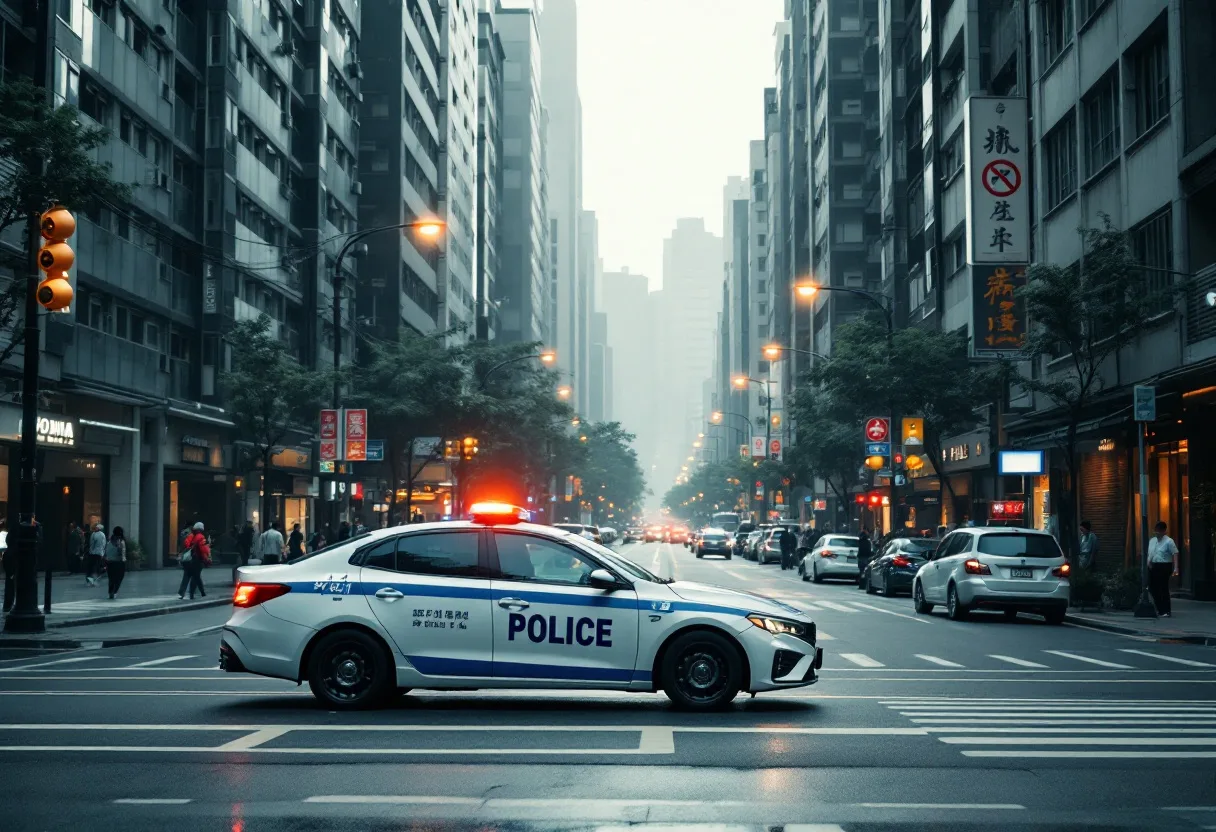
Shenzhen emergency services: numbers and reality
China’s basic emergency numbers are the same nationwide:
- 110 — police (Police)
- 120 — emergency medical service (Emergency Medical)
- 119 — fire service and rescue
Insider note: operators at 110 and 120 in Shenzhen generally speak Mandarin only. Very few understand English, and only at the most basic level. If you don’t speak Chinese, call a local contact at the same time who can relay information to the operator while you keep the line open.
12345 — Shenzhen city hotline for foreigners. Officially operates in English and covers administrative matters: document issues, landlord complaints, registration questions. Not the first call in a medical emergency, but a workable coordination channel.
Ambulances in Shenzhen arrive in an average of 8–15 minutes in central districts (Futian, Nanshan) and up to 20–25 minutes in outlying areas. The nearest major hospitals with English-speaking staff are Shenzhen Hospital of University of Hong Kong (Fuyong) and Shenzhen People's Hospital (international department in 罗湖).
Consular support and Russian-language assistance in Shenzhen
There is no Russian consulate in Shenzhen. The nearest is the General Consulate of the Russian Federation in Guangzhou, approximately 140 km from Shenzhen by high-speed train (about 35 minutes from Shenzhen Bei station).
Guangzhou consulate contact: +86-20-8188-9500
The consulate operates by appointment under normal conditions, but in a genuine SOS — lost passport, arrest, hospitalization — contact them directly by phone and state the nature of the emergency. Outside business hours, a duty consul is required to respond.
What the consulate can do:
- Issue a travel document in the event of a lost passport (processing time: from 3 business days)
- Assist with contacting relatives in case of detention
- Provide a list of recommended lawyers and translators
What the consulate will not do:
- Pay for medical treatment or legal services
- Get someone released from a police station without legal grounds
- Compensate for lost property
For prompt Russian-language assistance in Shenzhen, there is a network of WeChat groups. Search for them using the query “Russians Shenzhen” (русские Шэньчжэнь) in WeChat’s internal search. These groups include people who have already navigated medical, legal, and everyday situations and can quickly recommend a translator or escort.

Comparison table: where to turn in different situations
| Situation | First contact | Additional info | Language / notes |
|---|---|---|---|
| Accident, injury | 120 | Ask a local to call with you | Mandarin only |
| Theft, robbery | 110 | File a report at the station (required for insurance) | Mandarin only |
| Fire / Emergency | 119 | — | Mandarin only |
| Lost / stolen passport | Consulate in Guangzhou +86-20-8188-9500 | 110 for theft report | Russian |
| Administrative dispute | 12345 | WeChat chat for Russians in Shenzhen | English (basic) |
| Police detention | Consulate in Guangzhou | Right to an interpreter — assert it | Russian |
| Medical hospitalization | 120 / self-admission to HKU hospital | Insurance company | English available |
| Legal dispute | WeChat community → recommended attorney | Consulate (lawyer list) | Via intermediary |
Insurance and financial safety net: what people don’t think about in advance
Most emergencies in Shenzhen are resolved faster with money than with phone calls. Private hospitals and international clinics require a deposit of 5,000 to 20,000 CNY on admission without insurance. Public hospitals are cheaper, but the language barrier there is absolute.
The minimum insurance standard for an expat in Shenzhen is a policy covering at least 500,000 CNY for medical evacuation and hospitalisation. Check whether evacuation to Hong Kong is included — it is the nearest centre offering Western-standard medicine, just 40 minutes from the border.
Keep a reserve of 3,000–5,000 CNY in cash or in an accessible account: UnionPay ATMs are everywhere, but foreign cards can be unreliable, especially at night and in outlying areas.
Common mistakes
-
Not saving numbers in advance. In a stressful situation, people don’t search Google articles — they open their phone. Add 110, 120, 12345, and the consulate number to your contacts on your first day after arrival.
-
Counting on English when calling 110 or 120. Emergency service operators work in Mandarin. Without a Chinese-speaking helper present or on a second line, you lose critical minutes.
-
Ignoring WeChat as an SOS tool. In Shenzhen, WeChat is not just a messenger — it is infrastructure. Russian-speaking chats respond quickly and have helped in real crises, from finding a police interpreter to arranging a hospital transfer.
-
Not keeping document copies in the cloud. If your passport is stolen, the consulate works far faster when you can show a scan. Upload copies to a secure cloud service before you fly.
-
Expecting the consulate to solve the problem for you. The consulate offers assistance, not a service. It will not pay your hospital bill, hire a lawyer, or speed up a court case. This is worth understanding before a situation arises.
-
Traveling without international insurance or with a low-coverage policy. A week in the ICU of a private hospital in Shenzhen starts at 80,000 CNY and up. Tourist policies with 30,000–50,000 CNY coverage won’t come close to covering that.
Practical takeaway
Shenzhen is a safe city with functioning emergency infrastructure, but the system is built around the Chinese resident. For a Russian-speaking expat, the primary protection is preparation: saved phone numbers, active insurance with real coverage, WeChat access to the Russian-speaking community, and an understanding of the consulate’s role in Guangzhou. Those staying long-term — for business, IT, or manufacturing — should from the outset find a local Mandarin-speaking contact they can call outside office hours. That is cheaper than any alternative.
The SVOY app — a marketplace for fellow expats
Services, goods, housing, and jobs worldwide. Post your own listing for free.
SVOY ECOSYSTEM
What else you may need
Tasks that most often come next. Each is handled by a dedicated SVOY service.
Rent or buy housing
Rental and purchase Shenzhen: prices by neighbourhood, property due diligence, and end-to-end transaction support — SVOY HOME.
Go to websiteRegularize your status
Residence permits, visas and status renewals in Shenzhen, certificates and apostille — SVOY Legal.
Go to websiteChildbirth and citizenship for the child
Childbirth in Shenzhen: clinics, newborn documentation and citizenship — SVOY Baby.
Go to websiteHalal community
Nikah, halal services, and the Muslim community in Shenzhen — SVOY Halal.
Go to websiteNeed help in Shenzhen? Describe the situation — we’ll point you in the right direction
Leave your contact — that’s all we need; we’ll ask the rest ourselves. If you’d like, so we can prepare for the conversation in advance, please specify your request below.
Need help relocating to Shenzhen?
In the international SVOY community you will find:
- Russian-language chat Shenzhen
- Housing and neighbourhoods
- Schools and kindergartens
- Doctors and clinics
- Lawyers and help with paperwork
- Verified contacts and recommendations
If you come with good intentions — you’re one of us.
Join the chat Shenzhen