
Russian speakers in Shanghai
Asia’s financial hub: work, business, and life in 2026
Life in Shanghai — through the eyes of those already here
Russian speakers come to Shanghai primarily on work visas — in international business, IT, trade, logistics, and education. After 2022, the city became one of the key hubs for entrepreneurs seeking a neutral jurisdiction with direct access to Asian markets. The Russian-speaking community in Shanghai is small but tight-knit: several thousand people, Telegram chats, joint business events, and Russian restaurants in the Hongqiao area.

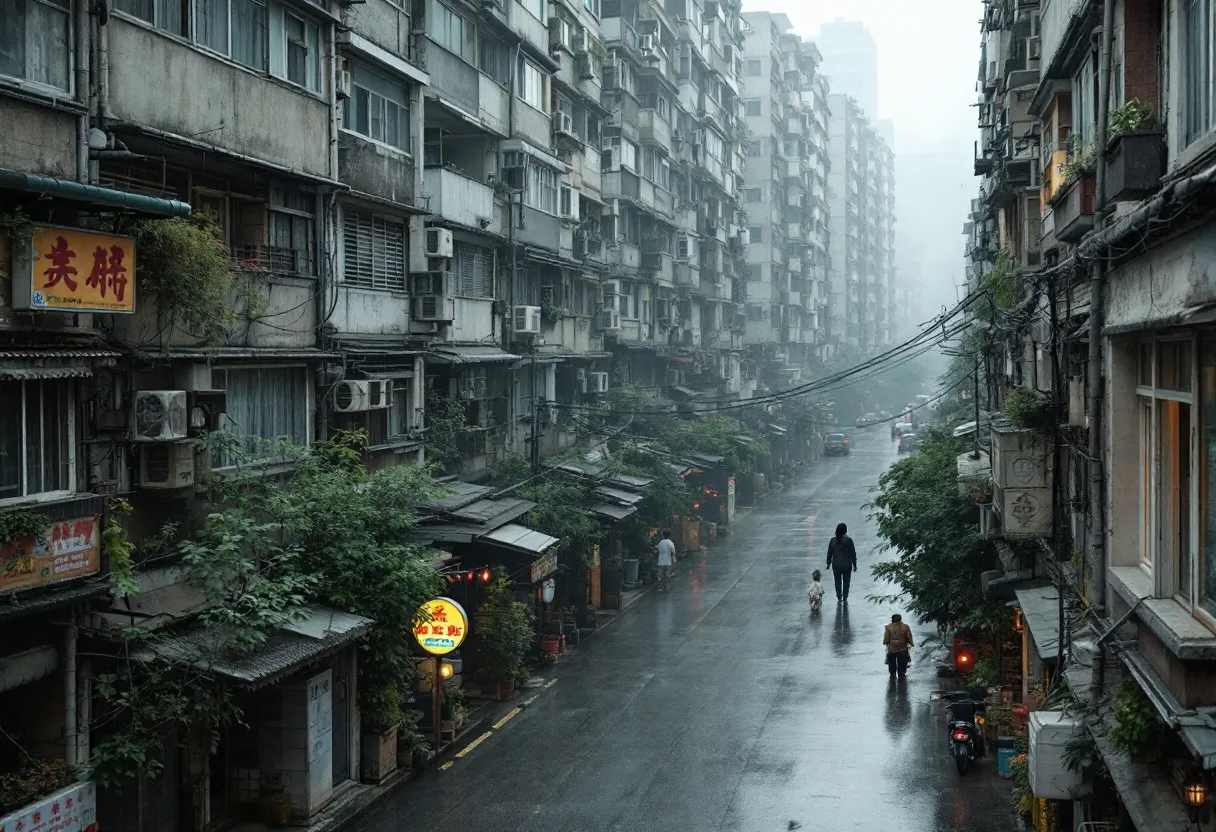
Where fellow expats settle — and where it’s best to avoid
Where to live
- HongqiaoHistorically the main expat neighborhood: a Russian-speaking diaspora, international schools, shopping centers, and an easy setup for families with children.
- Jing'an (Jing'an)Central business district with the best transport connections, cafés, co-working spaces, and housing suited to singles and couples without children.
- Pudong / LujiazuiShanghai’s financial CBD — ideal for those working in banking and large corporations; pricier, but with modern infrastructure.
- ChangningA quiet residential area near Hongqiao, lots of greenery, good schools, slightly cheaper than the top locations — the choice for budget-conscious families.
Where it’s better not to live
- BaoshanThe industrial northern part of the city, far from the centre and expat infrastructure, with high levels of air pollution.
- Minhang (remote districts)The outer parts of the neighbourhood are cut off from the metro and business centre — long commutes eat up whatever you save on rent.
Everything you need to know in Shanghai
Need hands-on help → services
Housing and neighbourhoods
1-bedroom rental in Hongqiao or Jin'an — from 6,000 to 12,000 CNY per month; family apartments with 3–4 rooms — 15,000–30,000 CNY. Search via SmartShanghai, Anjuke, 58.com, or through expat agents in Telegram chats — agents generally charge no commission to the tenant. The lease must be registered at the local police station within 24 hours of moving in.
Where to rent and how much it costs →
Documents and status
The main residence status is a Residence Permit, issued on the basis of a work visa Z or enrollment in studies; it is processed at the Exit-Entry Administration Bureau within 30 days of entry. Entrepreneurs may apply for a business visa M or an investor residence permit. Permanent residence (a ’green card’) is extremely difficult to obtain — it requires 5+ years of legal employment and a significant tax contribution.
Steps to take →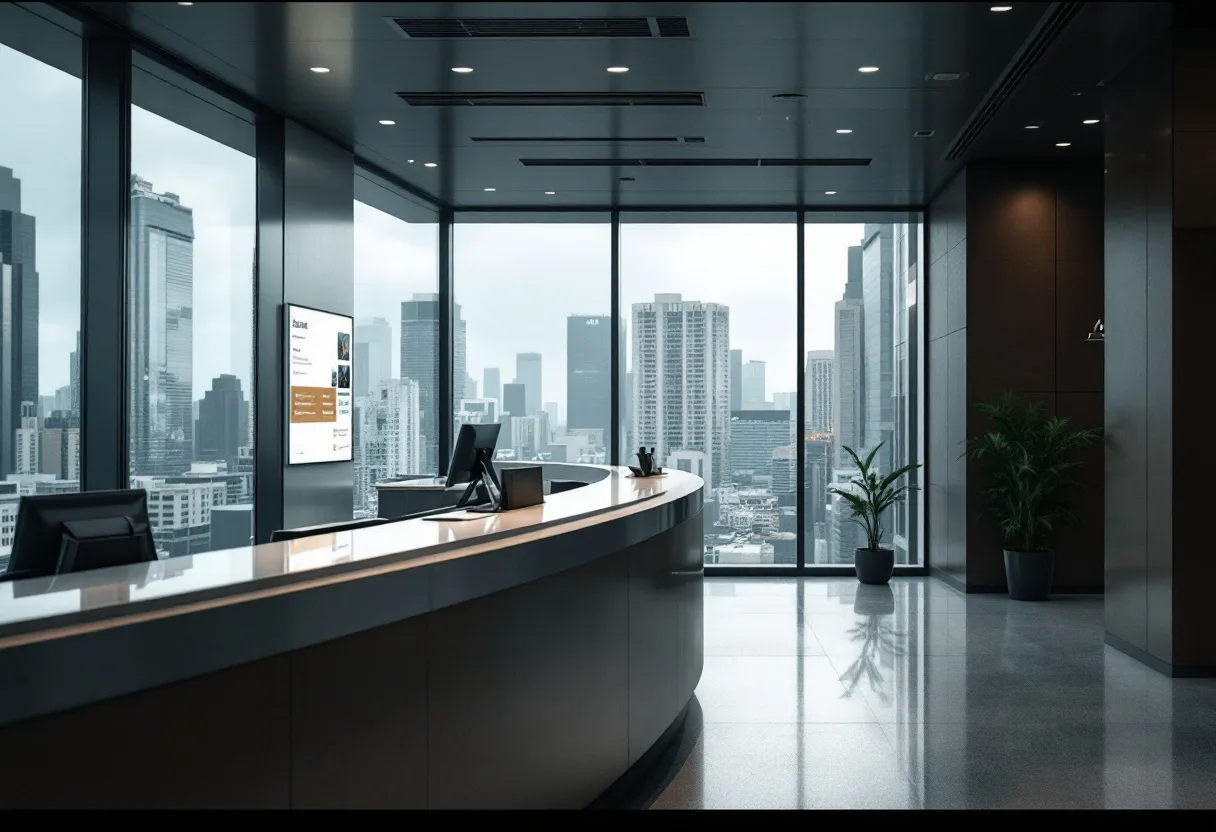
Banking and money
Opening an account as a foreigner without a residence permit is extremely difficult — most banks require a valid work or study residence permit. With a residence permit, accounts can be opened at Bank of China, ICBC, or HSBC (China) — passport, residence permit card, and sometimes proof of address required. HSBC or WeBank are convenient for international transfers; WeChat Pay and Alipay are essential for daily payments and can be linked to a foreign card via verification.
How to open an account →
Work and business
Most in-demand fields: IT, international trade and logistics, finance, education (private schools and language centres), and marketing for the Chinese market. A work visa (Z) is required and must be arranged by the employer before you enter China; finding employment independently once there is extremely difficult. Freelancing and remote work formally require a special status — many people work under foreign contracts while staying on a business visa (M).
Where to look for work →
Healthcare
Public hospitals are cheaper (from 20–50 CNY per visit), but the language barrier is a serious obstacle; international clinics (Parkway Health, Shanghai United Family, Jiahui Health) operate in English, with prices from 600–1,500 CNY per visit. Corporate medical insurance from an employer is standard; without it, an international policy from Cigna, AXA, or Allianz is recommended. Russian-speaking doctors are rare — consult diaspora chats; some expat specialists work at international clinics.
Doctors and insurance →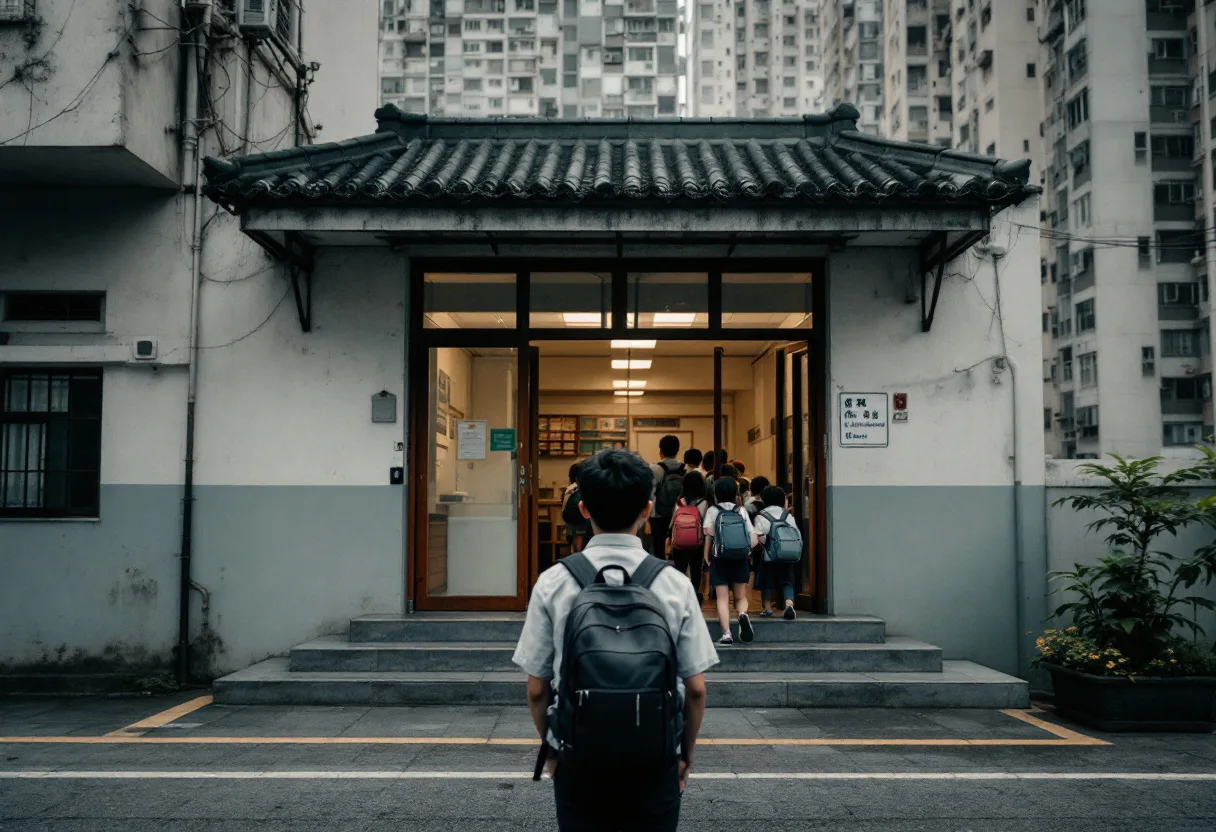
Schools and children
International schools for expat children: Shanghai American School, Concordia, Yew Chung (YCIS) — fees from 150,000 to 250,000 CNY per year. Kindergartens within international complexes — from 15,000 CNY/month. State schools are effectively closed to foreigners; some families opt for private Chinese schools with a strong English stream as a compromise.
How to enrol a child →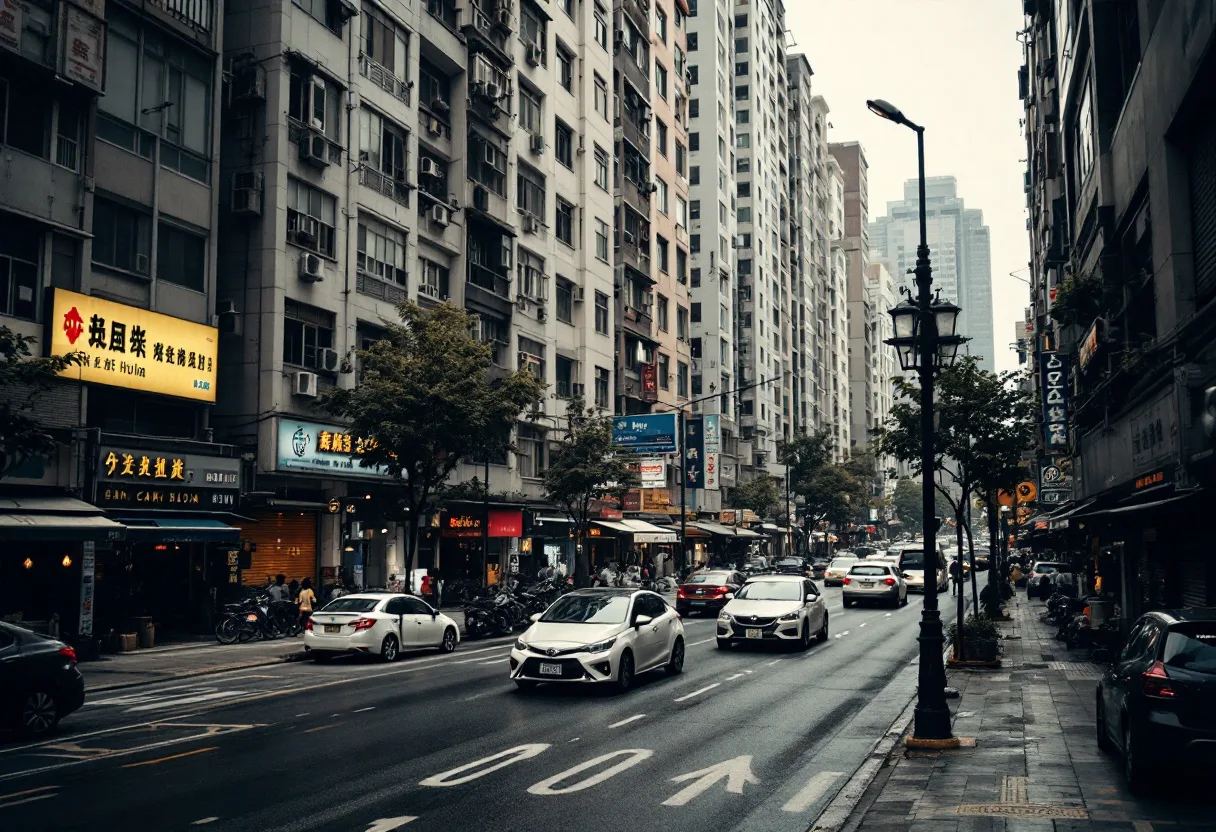
Transport and cars
Metro — an extensive network of 20+ lines, fares 4–6 CNY, covering the entire city. DiDi (the local Uber) is indispensable where the metro doesn’t reach. Owning a car in Shanghai is a serious undertaking: city license plates are auctioned off at 90,000–100,000 CNY per lot; most expats simply go without. Russian licenses are not recognized — you’ll need to pass a Chinese driving exam, with your license first translated and notarized.
Licenses and driving →
Transfers and parcels
There have been no direct Shanghai–Moscow flights since 2022; connections run via Almaty, Tashkent, Dubai, or Bishkek — 10–18 hours of travel time, from 40,000 RUB one way. Parcels to Russia — via CDEK (operational), China Post (slow), and private cargo aggregators from Hongqiao. Money transfers: UnionPay cards issued by Chinese banks are accepted in Russia; SWIFT from certain Chinese banks to Russia works with restrictions — check current status in diaspora chats.
What to hand over and how →
Safety and SOS
China emergency numbers: 110 (police), 120 (ambulance), 119 (fire). Russian Consulate in Shanghai: +86-21-6324-8383. Tourist and foreigner hotline: 12301 (China Tourism Hotline, English available). Telegram chat “Russians in Shanghai” (Русские в Шанхае) — the community’s go-to for quick mutual assistance on any issue.
If something has gone wrong →Flights from Shanghai to Moscow, St. Petersburg, and the CIS
Cheapest ticket from Shanghai to Moscow — from one stopover, from $319 one way. You can fly non-stop to Tashkent. The cheapest option right now — in Almaty, from $213.
The lowest one-way prices found by buyers in recent days, for 26 October. Exact price and seat availability — in search: we compare hundreds of airlines and agencies, ticket purchased on the seller’s website.
Ad. Go Travel Un Limited. TIN 9909520797
Weekends in Shanghai and day trips
SVOY partners: book and pay on the partner’s website.
Ad. TRIPSGO PORTAL L.L.C. TIN 9909760608

Verified specialists — ours, not «someone from the chat»
Every service has a person from SVOY behind it — someone we work with and vouch for our team answers: lawyers, realtors, accountants, doctors. Tell us what you need, and we’ll give you a straight answer.
A therapist — wherever you are
Relocation, loneliness, paperwork anxiety, a child settling into a new school. You don’t have to handle this alone. SVOY therapists hold verified degrees, have been vetted by us, and have been through emigration themselves. You choose the time yourself, in your own time zone.
What you share in a session is seen only by your therapist. Insurance, prices, and helplines in Shanghai →

Questions about life in Shanghai
Can you open an account at a Chinese bank without a residence permit?
+
Extremely difficult: most banks require a valid residence permit. Exceptions are rare — HSBC or Bank of China occasionally open an account with a passport and proof of address, but this is an unreliable practice. Without a residence permit, it is more convenient to use Alipay linked to a foreign card or a Hong Kong bank account.
Is a VPN necessary, and what is the situation with it?
+
Google, Instagram, WhatsApp, Telegram, and most Western services are blocked. VPNs are technically illegal for individuals but are effectively used by expats across the board — download the app BEFORE entering China. Choose providers with obfuscation protocols (ExpressVPN, Astrill). Without a VPN, working with Western clients and tools is virtually impossible.
How to get a work visa for Shanghai?
+
The Z work visa is issued exclusively through a Chinese employer: they obtain an invitation from the Ministry of Labor, after which you submit documents to the Chinese consulate in your country of residence. Looking for work on the ground on a tourist or business visa and then switching status from within China is not possible — this violates immigration rules.
How real is the language barrier in Shanghai?
+
In business environments and international districts (Hongqiao, Lujiazui), English works well. However, in government offices, clinics, shops, and when renting housing, Chinese is essential. Basic Mandarin (HSK 2–3) in the first year is strongly recommended — it dramatically simplifies daily life and increases your value on the job market.
Are there Russian schools or classes in Shanghai?
+
There is no dedicated Russian-language school in Shanghai. Some families follow Russian curricula remotely (Foxford, Internet-Urok). Some children combine international school with private Russian lessons — tutors can be found through diaspora chats. School-age children mostly attend international schools taught in English.
SVOY in Shanghai already here
Real people, up-to-date advice, and quick help — in the city chat.
Need help in Shanghai?
Leave your contact — that’s all we need; we’ll ask the rest ourselves. If you’d like, so we can prepare for the conversation in advance, please specify your request below.
SVOY ECOSYSTEM
What else you may need
Tasks that most often come next. Each is handled by a dedicated SVOY service.
Rent or buy housing
Rental and purchase Shanghai: prices by neighbourhood, property due diligence, and end-to-end transaction support — SVOY HOME.
Go to websiteRegularize your status
Residence permits, visas and status renewals in Shanghai, certificates and apostille — SVOY Legal.
Go to websiteChildbirth and citizenship for the child
Childbirth in Shanghai: clinics, newborn documentation and citizenship — SVOY Baby.
Go to websiteHalal community
Nikah, halal services, and the Muslim community in Shanghai — SVOY Halal.
Go to website