
Safety and SOS in Mexico City
Safety in Mexico City: who to call in an emergency and where to find Russian-language assistance.
Safety in Mexico City: what to know before you move
Mexico City is not the easiest place to live, but its reputation in Russian-speaking circles is often either exaggerated or understated. The reality lies somewhere in the middle: safety in the Mexican capital depends far more on the neighbourhood and your habits than on the mere fact of being in the city. For those who come with a laptop and a plan, it is one experience. For those who arrive unprepared, it is quite another. This article is a practical briefing: what to save on your phone, who to call, and how to stay out of the bad statistics.
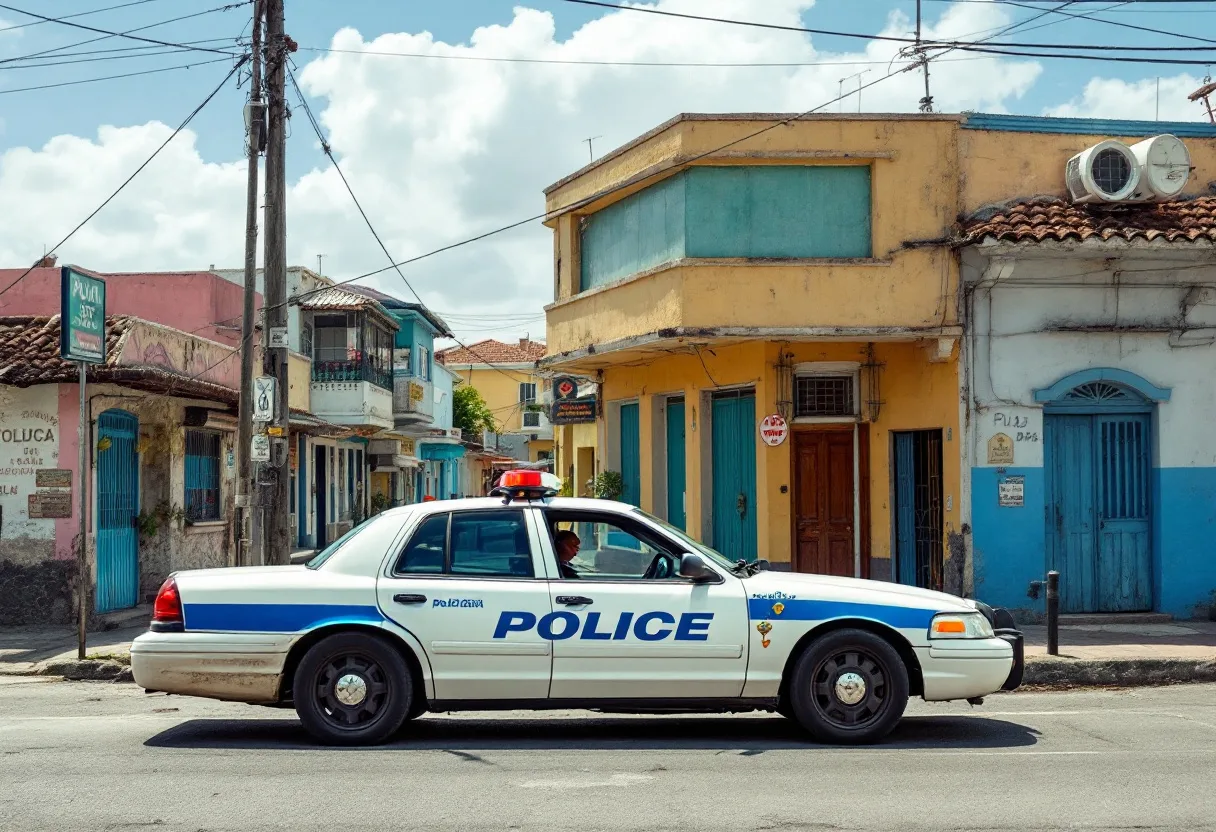
Mexico City emergency services: numbers and how the system works
Mexico’s unified emergency number is 911. It operates nationwide and takes calls in Spanish and partly in English. The operator can transfer you to police, ambulance, or fire services — all through a single point of contact.
For tourists and expats in central neighborhoods, there is a dedicated channel — the CDMX tourist police: +52 55 5533-5533. This is not a formality: tourist police officers are on duty in Roma, Condesa, Centro Histórico, and Polanco, speak English, and genuinely help — from minor incidents to hospital escort. Save this number separately from 911.
Emergency medical services in CDMX are uneven. The state-run ERUM system will respond, but wait times can run 30–60 minutes depending on the district and time of day. If your health insurance includes an assistance line, call that first — private clinics respond considerably faster.
Russian-language assistance in Mexico City: where to turn
The Russian Embassy is located at José Vasconcelos 150, Colonia Polanco. Consular phone: +52 55 5273-1305. Polanco is precisely the kind of neighbourhood you are likely to end up in when facing a serious issue: documents, a lost passport, legal incidents. The embassy operates on standard weekdays, so for emergencies at night or on weekends you will need the duty number — it is worth looking it up in advance on the official website.
Real Russian-speaking support in Mexico City comes from the community. The Telegram chat Russians in Mexico City (Русские в Мехико) and the Facebook group Our People in Mexico (Наши в Мексике) together have several thousand members, many of whom live in the city permanently. People there respond at night, know specific doctors and lawyers, and will help with translation or accompaniment. It’s not a substitute for official channels, but it’s often the first and fastest resource.
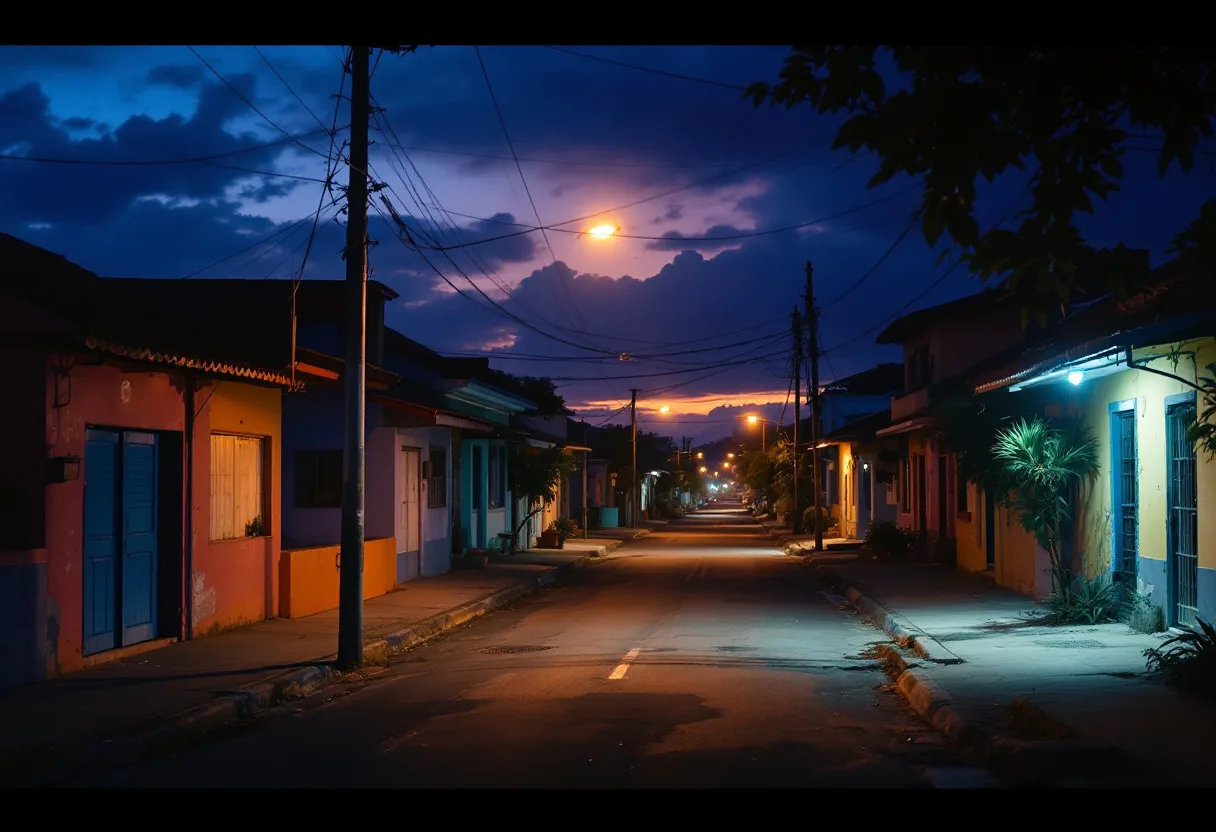
Mexico City neighbourhoods: a safety map for expats
Choosing a neighbourhood is half of your personal safety. Mexico City is large, and ’dangerous city’ is a generalisation that falls apart at the level of individual colonias.
| Area | Profile | Safety level | Notes |
|---|---|---|---|
| Roma Norte / Roma Sur | IT nomads, young expats | High | Tourist police maintain a constant presence |
| Condesa | Families, long-term renters | High | Plenty of well-lit parks, lively street life |
| Polanco | Business expats, diplomats | High | More expensive, more secure environment |
| Centro Histórico | Tourists, short stays | Medium | Lively by day, exercise caution at night |
| Iztacalco / Iztapalapa | Not recommended for newcomers | Low | Outside expat infrastructure |
| Santa Fe | Corporate expats | High | Isolated district, car-dependent |
A local insight: Roma and Condesa can give you a false sense of complete safety. Phone snatching (’express robbery’) does happen here, particularly targeting people walking with earphones in and a phone in hand. The local habit — keep your phone in a pocket or backpack, not in your hand.
Common risk scenarios and how to respond
Phone and street robbery — the most common incident among expats. Rule: hand over your belongings without resistance. Insurance and documents can be replaced; physical confrontation cannot.
Express kidnapping — a scenario in which you are driven to an ATM. It occurs less often than online reports suggest, but it does happen. Ways to reduce the risk: use Uber/DiDi rather than hailing a street taxi, avoid walking alone at night in unfamiliar areas, and leave bars in a group.
Altitude-related medical issues: Mexico City sits at 2,240 metres above sea level. Altitude sickness is real — especially in the first week. Symptoms: headache, nausea, fatigue. Treatment: rest, plenty of fluids, and a clinic visit for serious symptoms. Acetazolamide (Diamox) is available over the counter at pharmacies.
Earthquakes: CDMX sits in an active seismic zone. The SASMEX warning system — street sirens — gives 30 seconds to several minutes of advance notice before shaking begins. The SkyAlert app mirrors the alert to your phone. Install it on your first day.
Common mistakes
-
Ignoring the CDMX tourist police and trying to handle an incident through 911 without knowing Spanish. Tourist police speak English and respond faster in your situation.
-
Getting into street taxis — especially at night and especially near bars. Uber, DiDi, InDrive — apps only. This is the most basic rule, and the most commonly broken one.
-
Not installing SkyAlert before your first earthquake. The sound of a street siren without context causes panic; the app provides clear instructions.
-
Underestimating the altitude and scheduling an active first week: running, alcohol, flights — all of these on top of acclimatisation lead to feeling unwell and unplanned clinic visits.
-
Not saving embassy and tourist police contacts offline. In a stressful moment, with a dead phone or no internet, you won’t be Googling for numbers.
-
Relying solely on state emergency services without insurance. ERUM response times are unpredictable; private insurance with assistance coverage is not a luxury — it’s a basic necessity.
Bottom line: who needs what
Mexico City is safe for a thoughtful expat who lives in Roma, Condesa, or Polanco, gets around via apps, and knows the basic rules of the street. For families with children and long-term residents, it is a manageable environment, not chaos. For those who arrive unprepared and replicate tourist patterns in the city at night, the risks are real.
Minimum checklist: 911 and +52 55 5533-5533 in your contacts, SkyAlert on your phone, insurance with assistance cover, and joining the Telegram group ’Russians in Mexico City’ on your first day. This is not paranoia — it is standard moving hygiene.
The SVOY app — a marketplace for fellow expats
Services, goods, housing, and jobs worldwide. Post your own listing for free.
SVOY ECOSYSTEM
What else you may need
Tasks that most often come next. Each is handled by a dedicated SVOY service.
Rent or buy housing
Rental and purchase Mexico City: prices by neighbourhood, property due diligence, and end-to-end transaction support — SVOY HOME.
Go to websiteRegularize your status
Residence permits, visas and status renewals in Mexico City, certificates and apostille — SVOY Legal.
Go to websiteChildbirth and citizenship for the child
Childbirth in Mexico City: clinics, newborn documentation and citizenship — SVOY Baby.
Go to websiteHalal community
Nikah, halal services, and the Muslim community in Mexico City — SVOY Halal.
Go to websiteNeed help in Mexico City? Describe the situation — we’ll point you in the right direction
Leave your contact — that’s all we need; we’ll ask the rest ourselves. If you’d like, so we can prepare for the conversation in advance, please specify your request below.
Need help relocating to Mexico City?
In the international SVOY community you will find:
- Russian-language chat Mexico City
- Housing and neighbourhoods
- Schools and kindergartens
- Doctors and clinics
- Lawyers and help with paperwork
- Verified contacts and recommendations
If you come with good intentions — you’re one of us.
Join the chat Mexico City