
Cars & transport in London
Transport and getting around in London: what makes more sense — public transport or a car, and how it works with licenses and parking.
Car rental in London: choose and book online
Catalogue of major rental companies — Hertz, Avis, Europcar and others: all-inclusive price for the full rental period, zero-excess insurance. Found what you want — book it instantly online.
Browse cars and pricesAd. Booking Group Corporation. TIN 40003074764
Airport transfer in London: choose a car and price online
Driver with a name sign, price known upfront and unchanged in traffic, 90 minutes of waiting included and free cancellation. Promo code TPO5 — minus 5%.
Browse cars and pricesAd. IT Travel LP. TIN SL024264
Getting around London: what you need to know before moving
For most newcomers, the transport question largely determines quality of life in the first few months. London is one of the few cities in the world where a car is more of a burden than a convenience, especially for those living in zones 1–2. Understanding the logic of Transport for London (TfL), setting up payment correctly, and honestly assessing whether you need a car at all saves money, stress, and time.
London Underground: zones, Oyster Card, and real costs
The London Underground (commonly known as the Tube) has 11 lines and covers 9 fare zones. The vast majority of Russian-speaking residents live in zones 1–3: Kensington, Chelsea, Hampstead — zones 1–2; Canary Wharf — zone 2; Wembley — zone 3.
The fare logic is straightforward: the further from the centre, the higher the price. In 2026, a single journey in zones 1–2 during peak hours paid by contactless costs around £2.80–£3.40. The daily cap when paying by Oyster or contactless card in zones 1–2 is approximately £9.00–£9.60 — after that, all further journeys that day are free. The weekly cap is around £45–£49.
Oyster Card — a rechargeable TfL smart card. You can get one online at tfl.gov.uk or at any Tube ticket office; the deposit is £7. The alternative is a contactless bank card or phone with Apple Pay / Google Pay: fares are identical, and the system automatically applies the daily and weekly cap. Many seasoned expats have long switched from Oyster to contactless: one less thing to carry, and your journey history is available in the TfL app.
In addition to the Tube, the TfL system includes:
- Overground — surface lines covering zones 2–6 and a number of suburbs
- Elizabeth line (Crossrail) — opened in 2022, connecting Heathrow to the east of the city and significantly cutting journey times
- DLR — automated overground network, particularly important for Canary Wharf
- buses — run 24/7 on most routes, £1.75 per journey with Oyster/contactless, transfers within 1 hour are free
Insider: Night Tube runs on Fridays and Saturdays on the Victoria, Central, Jubilee, Northern, and Piccadilly lines. If you live along one of these lines, late-night taxis are rarely necessary.
Buying a car in London: to buy or not to buy
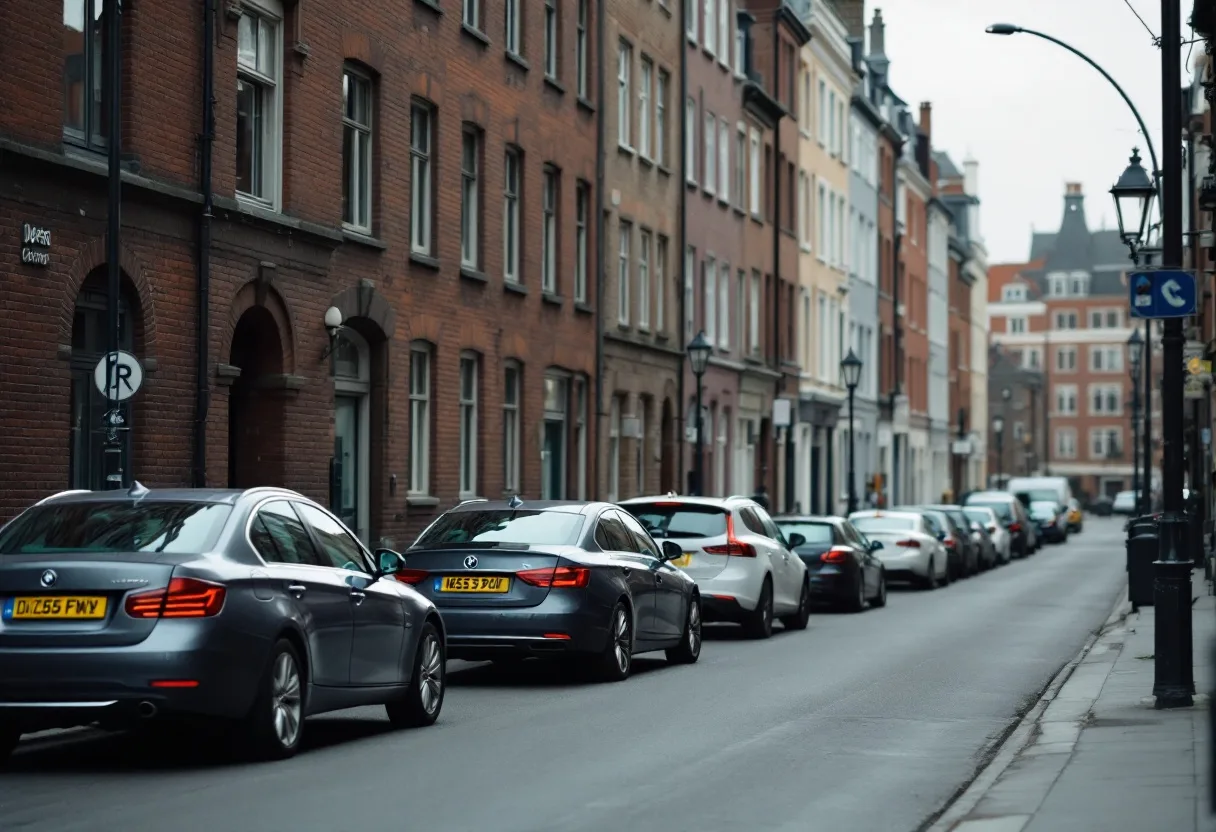
The question of buying a car in London only makes sense if you have clear reasons to do so. Most Russian speakers who move to zones 1–3 eventually give up their cars — because of parking costs, traffic, and the Congestion Charge.
Congestion Charge — a toll for driving into central London (Zone 1, roughly inside the Orbital). In 2026 it is £15 per day (Mon–Fri, 07:00–18:00; Sat–Sun, 12:00–18:00). The ULEZ (Ultra Low Emission Zone) also applies city-wide: vehicles that do not meet Euro 6 (petrol) / Euro 6 (diesel) standards pay £12.50 per day. Most cars made before 2015–2016 do not automatically qualify — check your vehicle on the TfL website using your number plate.
**Parking in central areas — from £4–£6 per hour at meters; residents’ permits (Residents’' Permit) cost £100–£200 per year, but obtaining one takes time and is tied to your registered address.
If a car is needed (family, suburbs, work outside the Tube), the typical route:
- Buying a used car via AutoTrader or CarGurus — the main platforms
- History check via HPI Check (~£20) — mandatory
- Insurance for a newcomer with no UK history: £1,200–£2,500 per year for a driver aged 30–45, depending on area, make, and driving record
London driving licence: exchanging Russian and other foreign licences
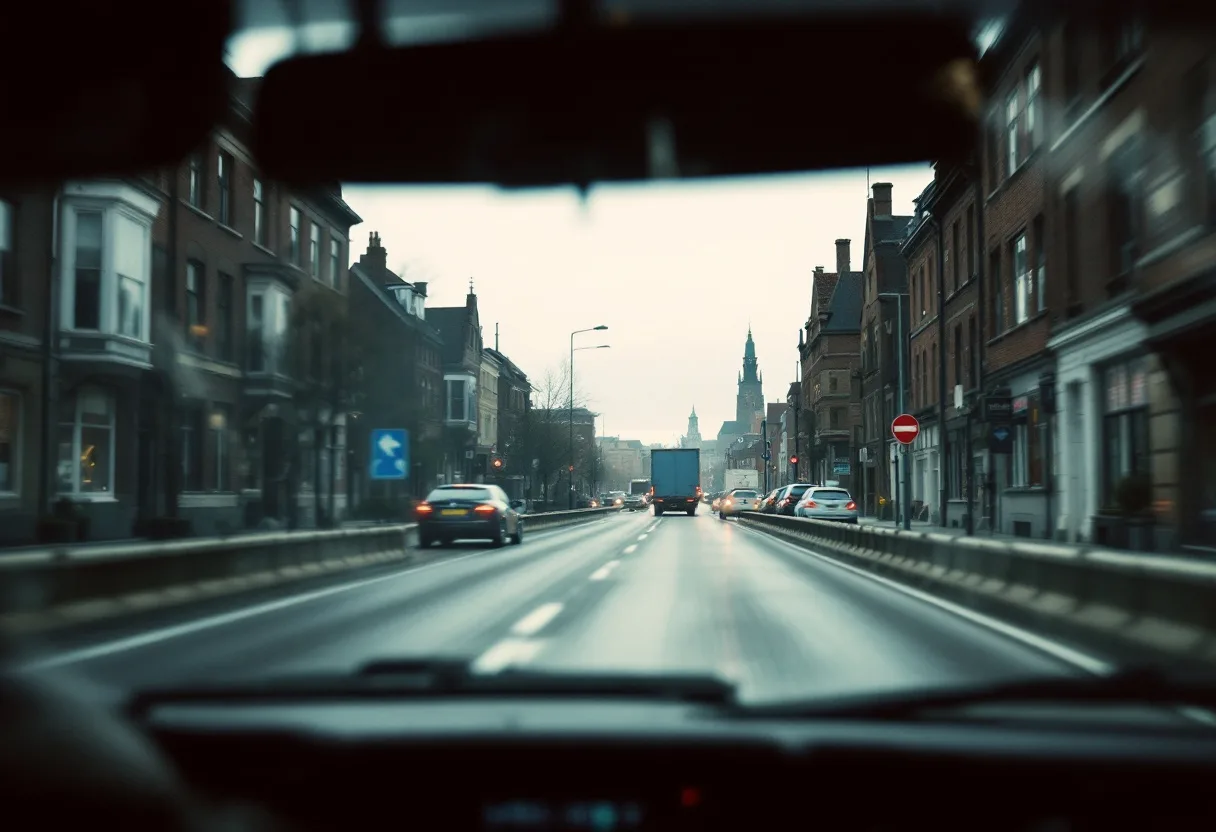
Driving licence London Russians — one of the most common topics in Russian-speaking chats. Russian driving licences cannot be directly exchanged in the UK: Russia is not on the list of countries with mutual recognition agreements (unlike, for example, EU countries, Australia, or Japan).
This means: with a Russian driving licence you can legally drive in the UK for 12 months after obtaining resident status. After that, you must sit British driving tests from scratch.
Process for obtaining a British driving license:
- Theory Test — the theory exam, taken at DVSA centres, cost £23, preparation via the official DVSA app or the Highway Code
- Hazard Perception — part of the same test, a video simulation of dangerous situations
- Practical Test — the practical driving exam, £62 on weekdays; wait time for a booking — 3–6 months (queues are consistently long, especially in London)
- Lessons — 30–40 hours with an instructor is recommended, at £35–£60 per hour
Insider: many practical test centres in London’s suburbs (such as Tolworth and Enfield) have shorter queues than central ones. Some people book a peripheral centre and make a special trip there.
Comparing transportation options in London
| Option | Best for | Approximate monthly spend | Key note |
|---|---|---|---|
| Oyster / contactless | All, zones 1–3 | £150–£250 | Weekly cap applied automatically |
| Bus | Zones 1–4, no rush | £60–£100 | 24/7, no tube in some areas |
| Elizabeth line | East/west across the city | Included in TfL cap | Faster than the Tube on longer routes |
| Car (personal) | Suburbs, families, zones 4–6 | £500–£900+ | Insurance, ULEZ, parking |
| Taxi (Uber/black cab) | One-off rides | Pay as you go | Black cabs are expensive; Uber is the norm |
| Bicycle / Santander Cycles | Zones 1–2, office commuters | £90/year (membership) | Cycle lanes exist, but traffic is aggressive |
Common mistakes
-
Paying cash on the bus. London buses have not accepted cash since 2014. Use an Oyster card, a contactless bank card, or your phone.
-
Not knowing about the weekly cap. Many newcomers top up their Oyster card without realising that when using a contactless bank card, the bank calculates the cap automatically. The result is overpaying because of using different payment methods throughout the week.
-
Bringing a car without checking ULEZ compliance. Vehicles bought or brought from Russia or Europe often fail to meet ULEZ standards. The daily charge of £12.50 accumulates quietly — until a bundle of penalty notices arrives.
-
Counting on a quick booking for the practical driving test. Waiting 3–5 months is normal. Book your slot at the same time as you start lessons, not after you finish them.
-
Not accounting for the Congestion Charge when working in the city centre. At £15 a day, that’s £300+ a month just for entry, before parking. Many people switch to the Tube after their very first bill.
-
Thinking a UK license can be obtained just by passing the theory test. Theory and practical are separate exams, separate bookings, and separate queues. There is no automatic progression between them.
Practical takeaway
For most Russian speakers living in Kensington, Chelsea, Hampstead, or Canary Wharf, London transport means a contactless card, the Tube, and the Elizabeth line. A car makes sense in zones 4–6, with children and a need for trips out of the city — but even then it’s best treated as a supplement to TfL, not a replacement. You will need to obtain a license from scratch: budget 6 to 12 months and £800–£1,500 in total for the entire process.
Guide to renting a car in London — free
Deposit, insurance, and the deductible: how not to lose money on return. Straight to Telegram.
Car in London and airport pickup — we will arrange everything
Monthly and longer-term rental, purchase with document verification, airport transfer with vehicle and price selection online. The search is free — just share your budget and timeline.
Submit a requestFind you a car
Rental and purchase, pre-transaction verification
Online transfer
The car and price from the airport — right on the website
Not a fan of bots — write to a person
The SVOY app — a marketplace for fellow expats
Services, goods, housing, and jobs worldwide. Post your own listing for free.
SVOY SERVICES
We’ll help with that in London
These tasks are handled by services within the SVOY ecosystem.
Car
Car rental and purchase, as well as transfers anywhere in the world.
SVOY ECOSYSTEM
What else you may need
Tasks that most often come next. Each is handled by a dedicated SVOY service.
Rent or buy housing
Rental and purchase London: prices by neighbourhood, property due diligence, and end-to-end transaction support — SVOY HOME.
Go to websiteRegularize your status
Residence permits, visas and status renewals in London, certificates and apostille — SVOY Legal.
Go to websiteChildbirth and citizenship for the child
Childbirth in London: clinics, newborn documentation and citizenship — SVOY Baby.
Go to websiteHalal community
Nikah, halal services, and the Muslim community in London — SVOY Halal.
Go to websiteCars & transfers in London — we’ll match it to your route and budget
Leave your contact — that’s all we need; we’ll ask the rest ourselves. If you’d like, so we can prepare for the conversation in advance, please specify your request below.
Need help relocating to London?
In the international SVOY community you will find:
- Russian-language chat London
- Housing and neighbourhoods
- Schools and kindergartens
- Doctors and clinics
- Lawyers and help with paperwork
- Verified contacts and recommendations
If you come with good intentions — you’re one of us.
Join the chat London