
Safety and SOS in Tbilisi
Safety in Tbilisi: who to call in an emergency and where to find Russian-language assistance.
Safety in Tbilisi: what to know before you move
Tbilisi ranks among the safest capitals in the post-Soviet space — street crime is objectively low, police response times are good, and tourist areas are visibly patrolled. That said, the tens of thousands of Russian speakers who arrived after 2022 encounter a predictable set of emergencies: everyday injuries, rental fraud, document problems, legal disputes. Knowing Tbilisi’s emergency system isn’t paranoia — it’s basic hygiene for anyone who has relocated.
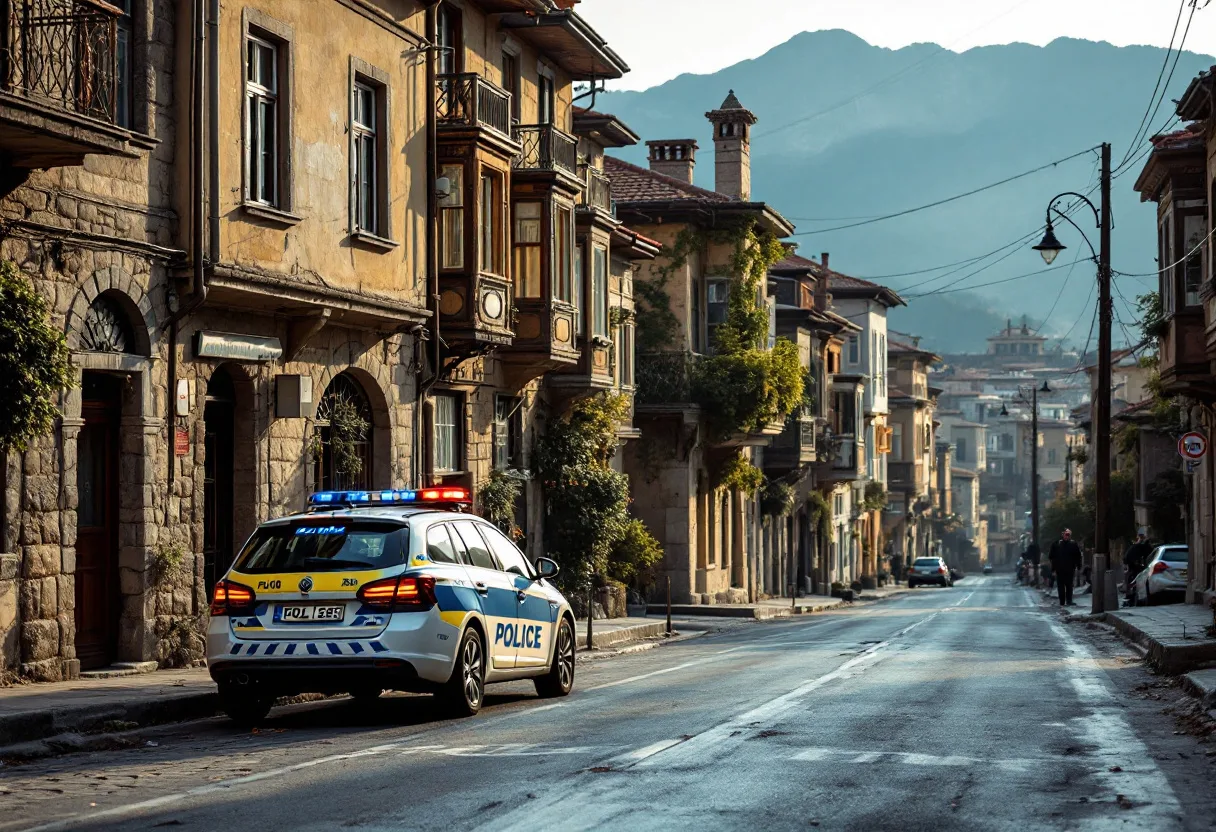
Tbilisi emergency services: numbers and how they work
Georgia has adopted the European emergency response model. Key numbers:
- 112 — single emergency number (police, fire, road accidents, any threat to life). Operators speak Georgian and English. Russian is not available on the line — more on that below.
- Georgia no longer has a separate ambulance number: since 2012, 112 has replaced the old 111 (fire), 122 (police), and 113 (ambulance) and dispatches medical teams directly. Call 112.
- 1400 — House of Justice hotline: documents, registration, residence permit, notary services.
Key insight: 112 operators in Tbilisi are trained in basic English emergency terminology, but longer explanations cause difficulty. Prepare a short phrase in English with your address and the nature of the problem in advance — it genuinely speeds up the response. It is best to have your address saved in your phone in Latin script: operators understand Georgian transliteration better than Cyrillic.
In central districts — Vera, Saburtalo, Vake — ambulances arrive in an average of 10–15 minutes. In outlying areas (Gldani, Samgori) wait times can reach 25–40 minutes. Private ambulance services (such as Aversi Clinic and Imedimed) respond faster and accept card payment on the spot.
Russian-language assistance in Tbilisi: where to turn
This is the most essential practical section for expats. Official institutions operate in Georgian and English — Russian-language support comes from the community.
Russian Embassy in Tbilisi (consular section): +995 32 291-38-22. Assists Russian citizens in cases of lost passports, detention, or medical evacuation. Appointments must be booked in advance; in emergencies (detention, hospitalization) the consul is obligated to take the call out of turn. Citizens of Belarus and Kazakhstan should contact their own embassies — both are also located in Tbilisi.
Legal assistance in Russian: the “Georgia | Relocation” (Грузия | Переезд) Telegram community maintains a pool of vetted lawyers specialising in labour disputes, tenancy, corporate law, and residency matters. Initial consultation fee — 30–80 GEL, case handling — from 500 GEL. Lawyers recommended by the community generally have experience working with Russian-speaking clients and understand the specific situations that arise after relocation.
Private healthcare: Evex, Aversi, and Imedimed clinics operate in English and some have Russian-speaking staff. A GP appointment costs 40–80 GEL; a private ambulance call — 100–200 GEL. Local or international insurance significantly reduces out-of-pocket expenses.

Comparing emergency assistance options
| Situation | Who to contact | Cost | Notes |
|---|---|---|---|
| Life threat, traffic accident, fire | 112 | Free | Have your address ready in English |
| Medical care (non-critical) | Private clinic (Aversi, Evex) | 40–200 GEL | Cards accepted, some Russian spoken |
| Legal dispute, detention | Community attorney / Russian Embassy | 30–500+ GEL | Embassy — RF citizens only |
| Document / residence permit issues | House of Justice, line 1400 | Free | Available in Georgian and English |
| Rental fraud | Police (112) + lawyer | 0 + fee | A rental contract in Georgian is essential |
| Lost passport | Consular section of the embassy | State fee | Book in advance; emergencies handled without an appointment |
Prices in the table are market reference points: government fees and third-party rates at the time of publication. These are not SVOY prices — our service fees are provided on request and in the ’Services’ section.
Neighbourhoods and everyday safety
Tbilisi is safe to live in, though comfort levels vary by neighbourhood. Vera, Vake, Mtatsminda, and Saburtalo have the densest concentration of Russian-speaking expats and the least day-to-day friction. Gldani and Isani are residential, safe, but far from the main amenities.
Street crime is uncommon, though pickpocketing is reported around the Dezerter Market and on busy tourist routes in the Old City. Scams are more often tied to rentals (upfront payment without a contract, double-letting) and fake legal services advertised on social media.
Insider tip: Georgian police generally respond well to domestic disputes, but the report is drawn up in Georgian. If you do not understand what you are signing, do not sign until a translator or lawyer is present. This right is enshrined in Georgian law, and police are obliged to respect it.
Common mistakes
- Not saving emergency numbers in advance. The embassy number (+995 32 291-38-22) and 112 should be in your phone from day one. Searching for them online in a panic costs you precious minutes.
- Expect a Russian-speaking operator at 112. Operators don’t speak it. Learn 2–3 basic English phrases for emergencies: «I need an ambulance», «There is a fire», «I was robbed» — and always keep your address written in Latin script.
- Skipping insurance. Public healthcare in Georgia formally exists, but in practice private clinics are faster and better. Without insurance, even moderately complex treatment can cost 500–2,000 GEL.
- Turning to ’Russian-speaking lawyers’ from ads without checking credentials. The legal services market in Tbilisi is not as tightly regulated as in Russia. Verify specialists through reputable community recommendations, not Instagram ads.
- Signing police documents without a translation. Even if the officer says ’it’s just a formality’ — you have the right to understand what you’re signing before you sign it.
- Underestimating the embassy as a resource. Many people think the consular section only deals with passports. In reality, if you are detained, hospitalised unconscious, or lose all your documents, consular support is your only official lifeline.
Practical takeaway
Tbilisi presents a genuinely low level of physical risk. Most SOS situations faced by Russian-speaking expats stem not from crime but from everyday and legal complications: rental disputes, documents, healthcare. Build a minimal safety net in advance: save the numbers 112, 113, 1400 and your consulate, get health insurance, and find a trusted lawyer in the community before you need one. It takes an hour — and completely changes how secure you feel in a new city.
The SVOY app — a marketplace for fellow expats
Services, goods, housing, and jobs worldwide. Post your own listing for free.
SVOY ECOSYSTEM
What else you may need
Tasks that most often come next. Each is handled by a dedicated SVOY service.
Rent or buy housing
Rental and purchase Tbilisi: prices by neighbourhood, property due diligence, and end-to-end transaction support — SVOY HOME.
Go to websiteRegularize your status
Residence permits, visas and status renewals in Tbilisi, certificates and apostille — SVOY Legal.
Go to websiteChildbirth and citizenship for the child
Childbirth in Tbilisi: clinics, newborn documentation and citizenship — SVOY Baby.
Go to websiteHalal community
Nikah, halal services, and the Muslim community in Tbilisi — SVOY Halal.
Go to websiteNeed help in Tbilisi? Describe the situation — we’ll point you in the right direction
Leave your contact — that’s all we need; we’ll ask the rest ourselves. If you’d like, so we can prepare for the conversation in advance, please specify your request below.
Need help relocating to Tbilisi?
In the international SVOY community you will find:
- Russian-language chat Tbilisi
- Housing and neighbourhoods
- Schools and kindergartens
- Doctors and clinics
- Lawyers and help with paperwork
- Verified contacts and recommendations
If you come with good intentions — you’re one of us.
Join the chat Tbilisi