
Safety and SOS in Paris
Safety in Paris: who to call in an emergency and where to find Russian-language assistance.
Paris emergency services and SOS: what to know from day one
Paris has a well-developed safety infrastructure, yet it is precisely here that many newcomers first encounter a system that works nothing like home. Not speaking French, not knowing who to call, and having no local contacts can turn even a routine situation into a crisis. This section is a practical guide: emergency numbers, Russian-language resources, and a step-by-step plan for non-standard situations.
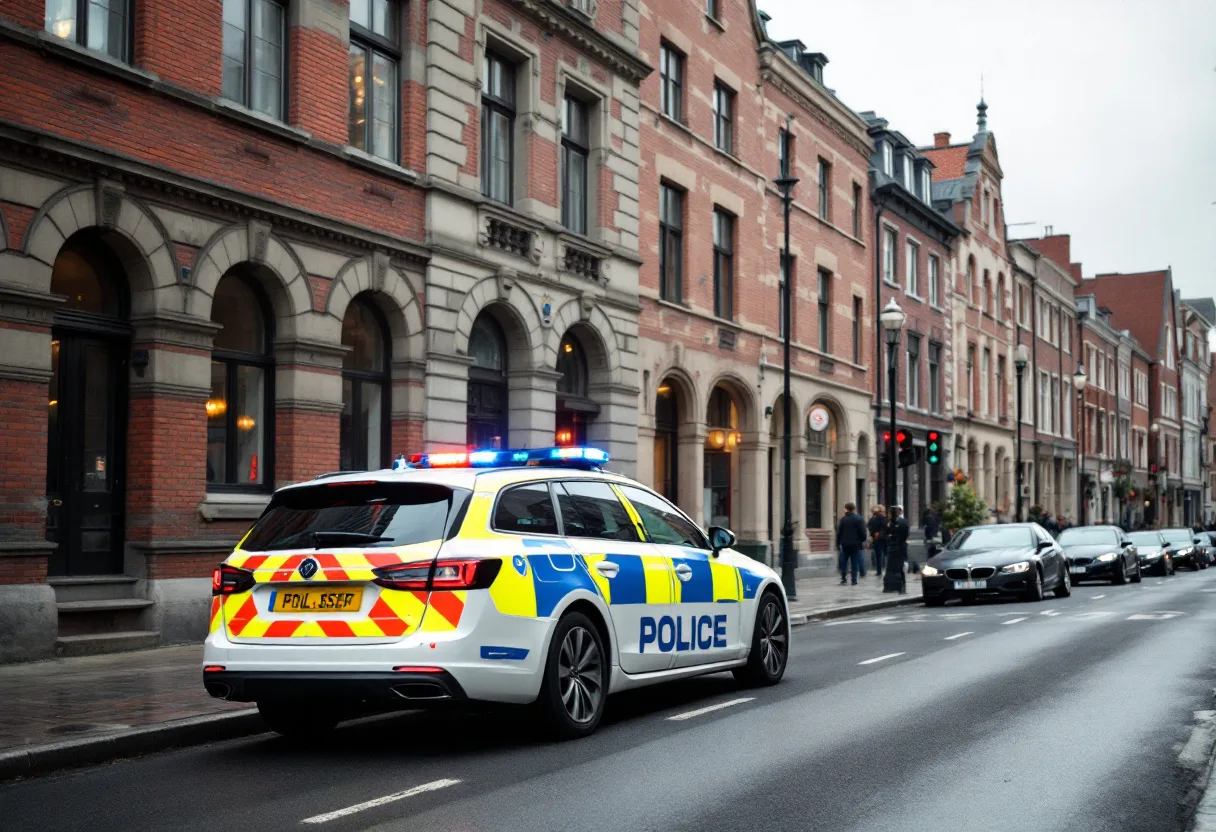
Paris emergency numbers: four digits you need to know
The French emergency response system is divided by service — it is not a single dispatch centre, but several specialised lines:
- 15 — SAMU (emergency medical service). Call for any medical situation: accident, loss of consciousness, acute pain. The dispatcher assesses the situation and decides whether to send a team.
- 17 — police. Theft, assault, road accident, threat. Do not confuse with municipal police — dialling 17 connects you to the national Police Nationale.
- 18 — fire brigade (pompiers). In France, firefighters also respond to accidents and emergencies — often faster than an ambulance.
- 112 — the single European emergency number. Works from any SIM card, including with no balance and no SIM at all. If you are unsure which number to call, dial 112.
Insider tip: dispatchers at 15 and 18 in Paris generally don’t speak Russian, but basic English is almost always available. If you can’t explain the situation, give your address, say ’emergency’, and don’t hang up — they will stay on the line. 112 offers a third-party interpreter service, but it doesn’t connect instantly.
Russian-language assistance in Paris: where to turn
In situations involving lost documents, detention by police, hospitalisation without the ability to contact relatives, or other crises, consular assistance is the first institutional resource available.
Russian Embassy in Paris:
- Address: 40–50, avenue de Lannes, 75116 Paris (16th arrondissement, near the Bois de Boulogne)
- Phone: +33 1 45 04 05 01
- Opening hours: check the official website for current reception times — they change regularly
The consular section operates by appointment, but in emergencies — lost passport, detention — you may approach directly without one. Important: the consulate is not a law firm and does not intervene in legal proceedings, but it can facilitate communication with French authorities and notify next of kin.
If you’re a citizen of another country (Kazakhstan, Ukraine, Georgia, etc.) — contact the relevant embassy. Contact details are easily found through your country’s foreign ministry website.
Russian-language assistance in Paris: informal networks
Formal structures move slowly. In urgent situations — especially language and legal ones — diaspora networks respond faster.
| Resource | Type of assistance | Where to find | Notes |
|---|---|---|---|
| Russians in France (Telegram) | General questions, recommendations, SOS | Telegram, search by name | Large community, quick responses, quality varies |
| Paris Relocation RU (Telegram) | Legal questions, relocation practicalities | Telegram | More structured, with vetted contacts |
| Russian-speaking lawyers | Legal assistance (labor disputes, housing, immigration) | Via diaspora chats and referrals | Ask for multiple reviews — quality varies |
| Orthodox parishes in Paris | Social support, psychological assistance | Cathédrale Saint-Alexandre-Nevsky and others | Open to everyone, not only the faithful |
| Crisis psychological support | Emotional support in Russian | Volunteer networks — contacts available through diaspora chats | Current details — check chats, as volunteers rotate |
Insider insight: Russian-speaking lawyers in Paris often provide an initial consultation in community chats free of charge — for the sake of their reputation. It’s a practical way to get a first read on your situation before deciding whether to hire an attorney formally.
Everyday safety in Paris: where you genuinely need to be careful
Paris is statistically safer than many major cities in the world, but there are areas and situations that warrant attention.
**Neighbourhoods with a higher rate of petty theft:
- Montmartre (18th arrondissement) — tourist crowds, pickpockets
- Châtelet–Les Halles — the largest transport hub, with a high concentration of pickpocketing in the metro.
- Northern train stations (Gare du Nord, Gare de l'Est) — an area with street scammers and aggressive beggars
- Champ de Mars and other tourist hotspots — ’found ring’, ’petition’, and ’shell game’ scams
**Practical tip: keep your documents in a breast pocket or a money belt worn under your clothes. Pickpockets work in pairs — one distracts, the other strikes. On the metro during rush hour, wear your bag in front.
If your documents are stolen — go to the police first (17 or the nearest commissariat) and obtain a copy of your report (récépissé de déclaration de vol). Without it, you will be unable to file an insurance claim or expedite the replacement of your documents.
Common mistakes
-
Calling 112 without stating an address. A dispatcher cannot help without a location — give the street, building number, and arrondissement immediately and clearly.
-
Confusing SAMU (15) and the fire brigade (18) in emergencies. In Paris, pompiers often arrive faster and carry medical equipment — for accidents, injuries, or loss of consciousness, calling 18 is a perfectly valid option.
-
Not keeping the récépissé after filing a theft report. Without this certificate, the insurer will not reimburse losses, and document restoration through the embassy will drag on.
-
Treating the embassy as legal protection. A consulate is a consulate, not a law firm. It can help with documents and communication, but it does not represent you in court.
-
Taking the first piece of advice in a chat without verification. Diaspora networks provide a useful starting point, but legal questions require a professional with specific experience in French law.
-
Ignoring the psychological dimension of a crisis. The stress of relocation combined with an acute situation — theft, a conflict with authorities, illness — is a burden that is hard to carry alone. Russian-speaking volunteer networks exist precisely for moments like these.
Bottom line: how to be prepared
Save 15, 17, 18, 112 and the embassy number +33 1 45 04 05 01 in your phone before you ever need them. Join one or two diaspora Telegram chats not ’for later’ but right after you arrive — that’s your first local network. For families with children and those who’ve come alone, it’s especially important to have at least one person in Paris you can call in an unexpected situation. The system in France works — but only if you know where to look.
The SVOY app — a marketplace for fellow expats
Services, goods, housing, and jobs worldwide. Post your own listing for free.
SVOY ECOSYSTEM
What else you may need
Tasks that most often come next. Each is handled by a dedicated SVOY service.
Rent or buy housing
Rental and purchase Paris: prices by neighbourhood, property due diligence, and end-to-end transaction support — SVOY HOME.
Go to websiteRegularize your status
Residence permits, visas and status renewals in Paris, certificates and apostille — SVOY Legal.
Go to websiteChildbirth and citizenship for the child
Childbirth in Paris: clinics, newborn documentation and citizenship — SVOY Baby.
Go to websiteHalal community
Nikah, halal services, and the Muslim community in Paris — SVOY Halal.
Go to websiteNeed help in Paris? Describe the situation — we’ll point you in the right direction
Leave your contact — that’s all we need; we’ll ask the rest ourselves. If you’d like, so we can prepare for the conversation in advance, please specify your request below.
Need help relocating to Paris?
In the international SVOY community you will find:
- Russian-language chat Paris
- Housing and neighbourhoods
- Schools and kindergartens
- Doctors and clinics
- Lawyers and help with paperwork
- Verified contacts and recommendations
If you come with good intentions — you’re one of us.
Join the chat Paris