
Cars & transport in Hong Kong
Transport and getting around in Hong Kong: what makes more sense — public transport or a car, and how it works with licenses and parking.
Car rental in Hong Kong: choose and book online
Catalogue of major rental companies — Hertz, Avis, Europcar and others: all-inclusive price for the full rental period, zero-excess insurance. Found what you want — book it instantly online.
Browse cars and pricesAd. Booking Group Corporation. TIN 40003074764
Airport transfer in Hong Kong: choose a car and price online
Driver with a name sign, price known upfront and unchanged in traffic, 90 minutes of waiting included and free cancellation. Promo code TPO5 — minus 5%.
Browse cars and pricesAd. IT Travel LP. TIN SL024264
How transport in Hong Kong works: MTR, buses, taxis, and driving
Hong Kong is one of the few cities in the world where not owning a car is not just acceptable, but the pragmatic choice. The transport infrastructure is so dense that the average resident gets from Kowloon to Central faster by MTR than by car. That said, owning a vehicle isn’t pointless here — it all depends on your neighbourhood, lifestyle, and work demands. This article is a practical breakdown: from the Octopus Card to buying a car and converting your licence.
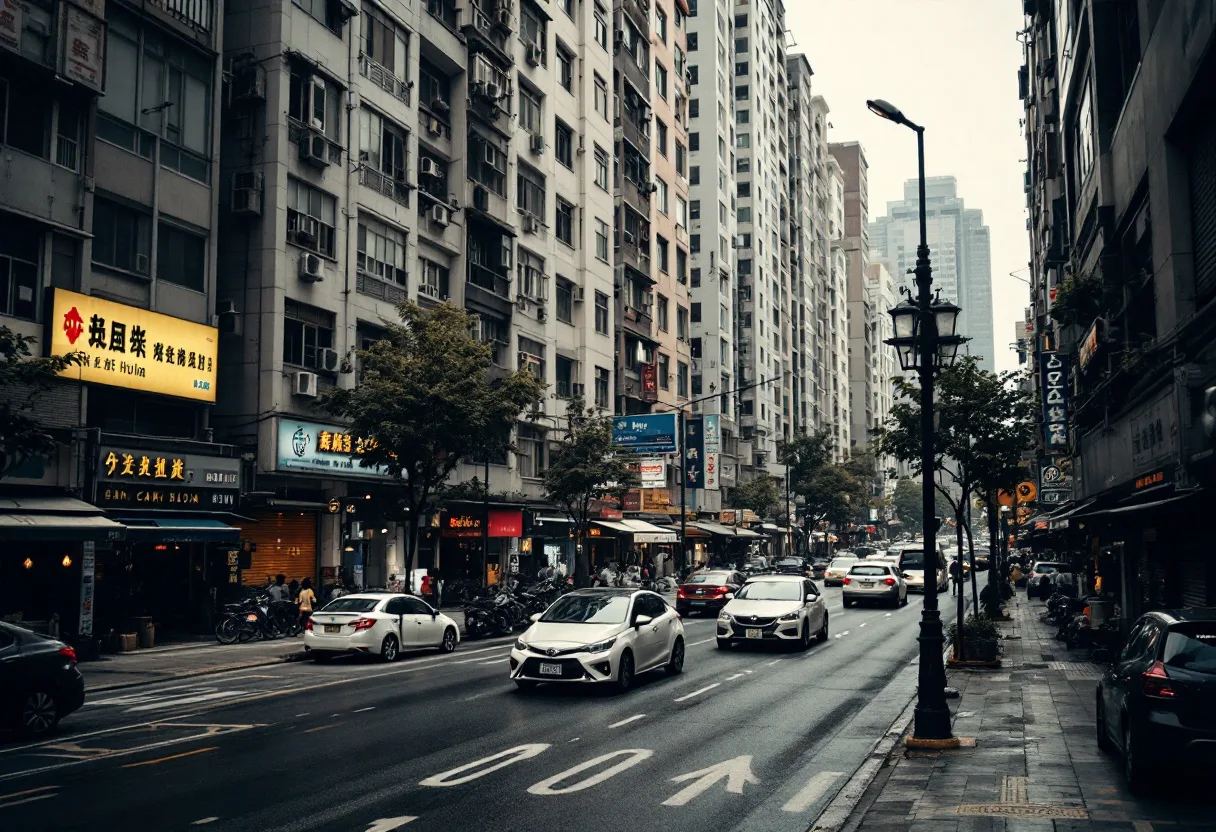
Hong Kong MTR: the foundation of your daily commute
MTR (Mass Transit Railway) is Hong Kong’s backbone transit system and one of the most punctual in the world. Delays are recorded on average less than once every 4–5 months. The network covers Hong Kong Island, Kowloon, the New Territories, and connects the city to the airport via the Airport Express.
Key lines for expats:
- Island Line — along the northern shore of the island (Central, Admiralty, Causeway Bay)
- Tsuen Wan / Kwun Tong Lines — the main arteries of Kowloon
- East Rail Line — to Sha Tin, Tai Po, and the mainland border
- Tung Chung Line — airport, Lantau, Discovery Bay (ferry)
The basic fare ranges from HKD 4.5 (短程) to HKD 26–30 for long routes to mainland districts. Airport Express: HKD 115 one way, HKD 205 return when purchased within a month.
Octopus Card — an essential tool: works on the MTR, buses, ferries, trams, and in 7-Eleven and McDonald’s stores's. Top up at machines or via the app. For transit, it saves approximately HKD 0.5–1 compared to paying cash. Tourist cards are issued at the airport; permanent cards at any MTR service centre.
Insight: the MTR Mobile app shows real-time carriage occupancy — especially useful during peak hours (08:00–09:30 and 18:00–19:30).
Buses, trams, ferries, and taxis
Double- and triple-decker buses (KMB, Citybus, New World First Bus) — the basic alternative to the MTR where the subway does not reach. Fares run HKD 4–12 depending on the route. The downside: Cross-Harbour tunnel congestion during peak hours makes journey times unpredictable.
Tram (Ding Ding) — runs only along the northern shore of the island from Kennedy Town to Shau Kei Wan. Flat fare HKD 3 (adult). Slow, but cheap and full of character.
**Ferries (Star Ferry and others) — the crossing between Central and Kowloon costs HKD 2.7–3.4. Services to Cheung Chau, Lamma, Discovery Bay, and Mui Wo (Lantau) are run by separate operators, with fares from HKD 20 to HKD 50+.
Taxis — three colours: red (urban Hong Kong), green (New Territories), blue (Lantau). Starting fare in a red taxi — HKD 27, then HKD 1.9 per 200 m. Tunnel tolls are paid separately by the passenger. Uber operates, but through licensed drivers — fares are often higher than a traditional taxi. The HKTaxi app lets you book a cab and enter your destination without the hassle of giving an address in Cantonese.
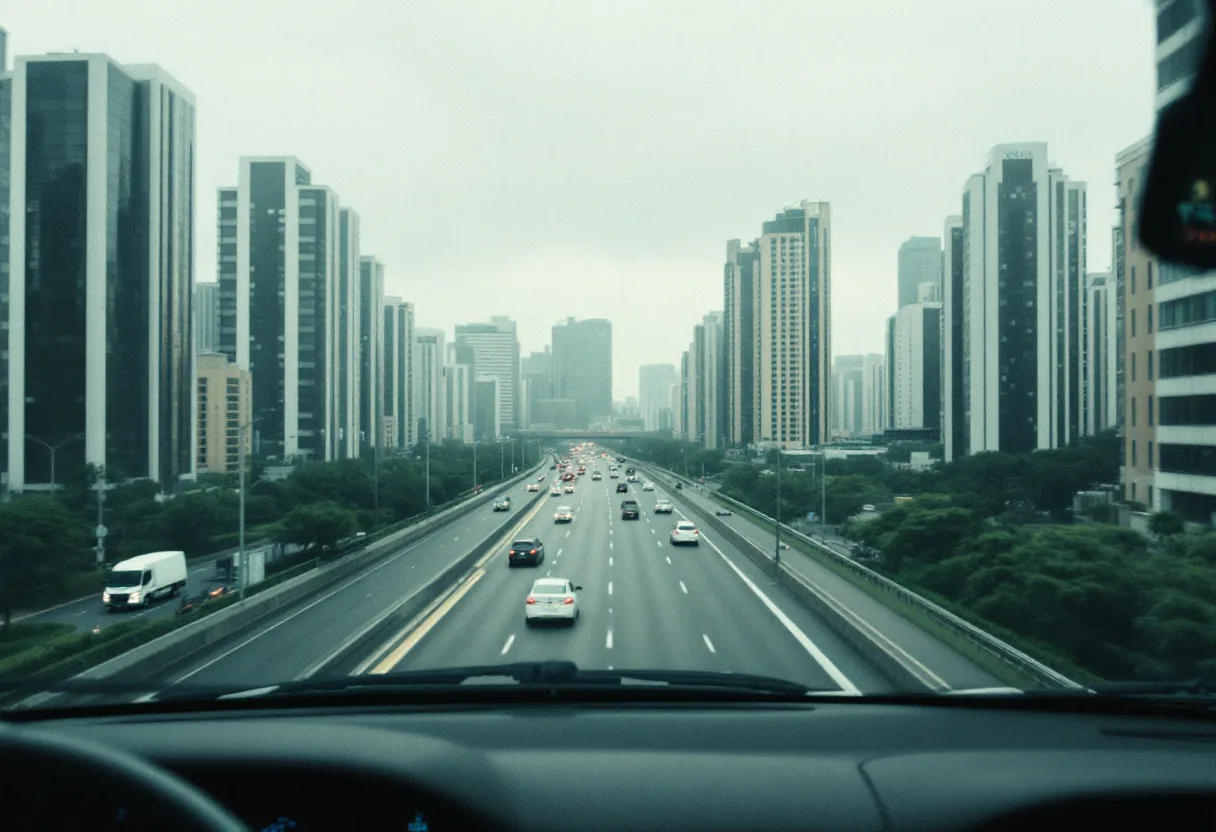
Buying a car in Hong Kong: purchase, registration and hidden costs
Buying a car in Hong Kong is a deliberate choice, not a necessity. It’s important to understand this before spending a significant sum.
**Car prices themselves are comparable to European levels: a used Honda CR-V or Toyota Camry runs HKD 80,000–180,000, a new mid-range model starts from HKD 200,000+. The real cost driver, however, is the First Registration Tax (FRT), which ranges from 40% to 115% of the vehicle’s assessed value depending on its price bracket. Electric vehicles receive a concession, but since 2024 the tax-exempt threshold has been significantly reduced.
Annual ownership costs:
- Annual vehicle licence — approximately HKD 3,900–5,100
- Compulsory third-party insurance — minimum HKD 2,000–4,000 per year
- **Parking in Central/Wan Chai/Kowloon — HKD 4,000–12,000 per month for a garage space (not a typo)
- Fuel — petrol costs approximately HKD 20–22 per litre
Insight: in the New Territories (Sha Tin, Tuen Mun, Yuen Long), parking is 3–4 times cheaper, and it’s precisely the residents of these areas who are more likely to own a car. In the central districts of the island, a car is primarily a status symbol or a professional necessity.
Driving licence in Hong Kong: Russian documents and exchange
Hong Kong is a separate jurisdiction, and a Russian driving licence does not automatically apply here. The rules differ from mainland China.
The process for holders of Russian driving licences:
- Validating your driving history: Russian licenses should be translated into English (notarized or apostilled — depending on the Transport Department’s requirements in your specific case).
- Pass the theory test: a written exam at the Transport Department (牌照事務處). Questions are in English. The Hong Kong Road Traffic handbook is available free on the Transport Department website.
- The practical test may be waived if driving experience of 2+ years is confirmed and the licence is valid — but this is decided case by case at an inspector’s interview. In practice, most Russian-speaking applicants are still advised to sit the practical exam.
- Processing time — 2–6 weeks.
A Hong Kong licence is valid in the United Kingdom (mutual recognition), a number of Commonwealth countries, and SAR Macau. It does not extend to mainland China — a separate PRC licence is required there.
| Transport option | Best for | Monthly budget | Key note |
|---|---|---|---|
| MTR + Octopus Card | Everyone living in urban areas | HKD 400–800 | The optimal choice for most |
| MTR + taxi/Uber as needed | Families, business travel | HKD 1,200–2,500 | Taxis get pricier with tunnel tolls |
| Personal car (New Territories) | Families with children, suburban lifestyle | HKD 8,000–15,000+ | Factor in parking costs and FRT |
| Personal car (Hong Kong Island, Kowloon) | Rarely justified | HKD 15,000–25,000+ | Parking is the main expense |
| Motorcycle / scooter | Couriers, young people | HKD 2,000–5,000 | Separate licence required (Category D/MC) |
Common mistakes
- Buying a car right after moving, without assessing the logistics first. Most expats who’ve spent six months in Hong Kong conclude they don’t need a car — and resell at a loss.
- Not factoring in FRT when budgeting for a car: the final purchase price is often 1.5–2× the dealer’s list price.
- Counting on reciprocal licence recognition without checking the Transport Department’s current rules — legislation changes periodically, and Russian licences are not on the automatic recognition list.
- Ignoring the Octopus Card and paying cash on buses and trams — the overpayment is small, but the constant lack of change becomes a daily nuisance.
- Mixing up taxi zones: if you get into a red taxi and ask to be taken to Tuen Mun (New Territories), the driver is formally entitled to refuse — that is a green taxi zone.
- Underestimating the Cross-Harbour Tunnel during rush hour: a taxi from Kowloon to Central can take 40–50 minutes, while the MTR covers the same route in 7 minutes.
Practical takeaway
For most Russian speakers moving to Hong Kong, the optimal setup is MTR + Octopus Card + taxis as needed. This covers 95% of daily commutes with a predictable budget of HKD 1,500–2,000 per month for a family. A car makes sense if you live in the New Territories with children or frequently travel to border areas — but budget not just for the car itself, but above all for the FRT and parking. It’s best to start the licence conversion 1–2 months after arriving rather than putting it off: the process isn’t complicated, but it does take time.
Guide to renting a car in Hong Kong — free
Deposit, insurance, and the deductible: how not to lose money on return. Straight to Telegram.
Car in Hong Kong and airport pickup — we will arrange everything
Monthly and longer-term rental, purchase with document verification, airport transfer with vehicle and price selection online. The search is free — just share your budget and timeline.
Submit a requestFind you a car
Rental and purchase, pre-transaction verification
Online transfer
The car and price from the airport — right on the website
Not a fan of bots — write to a person
The SVOY app — a marketplace for fellow expats
Services, goods, housing, and jobs worldwide. Post your own listing for free.
SVOY SERVICES
We’ll help with that in Hong Kong
These tasks are handled by services within the SVOY ecosystem.
Car
Car rental and purchase, as well as transfers anywhere in the world.
SVOY ECOSYSTEM
What else you may need
Tasks that most often come next. Each is handled by a dedicated SVOY service.
Rent or buy housing
Rental and purchase Hong Kong: prices by neighbourhood, property due diligence, and end-to-end transaction support — SVOY HOME.
Go to websiteRegularize your status
Residence permits, visas and status renewals in Hong Kong, certificates and apostille — SVOY Legal.
Go to websiteChildbirth and citizenship for the child
Childbirth in Hong Kong: clinics, newborn documentation and citizenship — SVOY Baby.
Go to websiteHalal community
Nikah, halal services, and the Muslim community in Hong Kong — SVOY Halal.
Go to websiteCars & transfers in Hong Kong — we’ll match it to your route and budget
Leave your contact — that’s all we need; we’ll ask the rest ourselves. If you’d like, so we can prepare for the conversation in advance, please specify your request below.
Need help relocating to Hong Kong?
In the international SVOY community you will find:
- Russian-language chat Hong Kong
- Housing and neighbourhoods
- Schools and kindergartens
- Doctors and clinics
- Lawyers and help with paperwork
- Verified contacts and recommendations
If you come with good intentions — you’re one of us.
Join the chat Hong Kong