
Safety and SOS in Berlin
Safety in Berlin: who to call in an emergency and where to find Russian-language assistance.
Emergency services and safety in Berlin: what to know before day one
Berlin is one of the safest major cities in Europe, but that is no reason to arrive unprepared. Emergencies happen to everyone: a medical episode, stolen documents, a road accident, a domestic dispute. A Russian-speaking expat is more vulnerable than a local resident not because the city is dangerous, but because the support system operates in German and requires knowing the right numbers, agencies, and procedures. Below is the practical information you actually need.
The single SOS number and how to use it
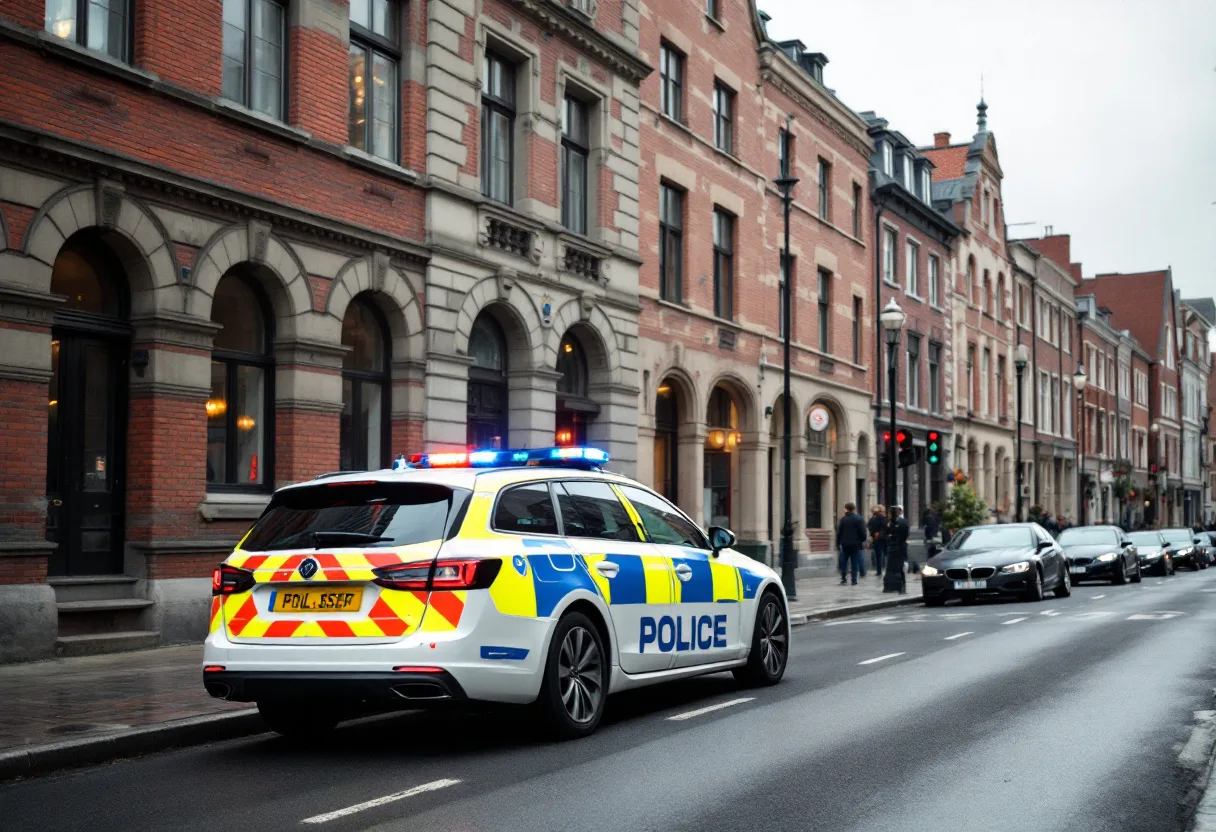
Berlin’s main emergency number is 112. This is the pan-European number, free from any phone, including phones without a SIM card or credit. A dispatcher answers and routes the call to ambulance, fire services, or police.
Key numbers:
- 112 — ambulance (Rettungsdienst) and fire service (Feuerwehr)
- 110 — police (Polizei Berlin), for non-critical situations: theft, fraud, offences without risk to life
- 116 117 — on-call physician (ärztlicher Bereitschaftsdienst), for medical consultations at night or on weekends when the situation is not life-threatening
Insider: The 112 dispatcher is required to connect an interpreter on request. Say into the phone: «I need an interpreter, Russian» — this is standard procedure, but few people know about it. Expect to wait 1–3 minutes for the interpreter; stay on the line during that time.
Russian-language assistance in Berlin: real channels
Official services operate in German. For Russian-speaking residents, it’s important to know in advance where to get support in your native language.
Diaspora and communities. Berlin is home to one of the largest Russian-speaking diasporas in Western Europe — estimated at 80,000 to 120,000 people. This means an extensive network of lawyers, doctors, psychologists, and volunteers who can advise in Russian.
Consulate. The consular section of the Russian Embassy in Berlin (Unter den Linden, 63–65) assists with lost documents, detention of Russian citizens, and repatriation. Visits are strictly by appointment; save the consulate’s phone number in advance — searching for it in a crisis is not an option.
What to do if documents are stolen:
- File a report with the police (Polizeidirektion or the nearest station) — obtain a Verlustanzeige (loss report)
- Approach the consulate with this certificate
- A temporary ID is issued in an average of 5–10 business days
Mental health crisis. Berlin’s crisis line: 0800 111 0 111 (free, 24/7, anonymous). Several NGOs offer support in Russian — the current list changes; check with the community for the latest.
Comparing scenarios: where to turn
| Situation | Who to call / where to go | Language | Approximate response time |
|---|---|---|---|
| Life threat, accident, fire | 112 | German / interpreter on request | 5–10 minutes |
| Theft, fraud | 110 or nearest station | German / English | Response within an hour |
| Non-urgent illness (not critical) | 116 117 | German | Phone immediately, doctor — 1–3 h |
| Lost documents | Police + Consulate | German + Russian | report — same day, document — up to 10 days |
| Mental health crisis | 0800 111 0 111 | German / on request | Immediate |
| Orientation & everyday SOS | SVOY Berlin Chat | Russian | fast, situation-based |
Insurance, Krankenkasse, and ambulances: things to watch out for
Many newcomers are unaware that calling an ambulance (112) in Germany is not free if you have insurance. The cost is covered by health insurance (gesetzliche Krankenversicherung or private PKV), but only if the call was medically justified. An unjustified call will result in a bill of around €600–800.
If you don’t have insurance yet (in the first days after moving) and the situation isn’t critical, it’s cheaper to get to the walk-in emergency department (Notaufnahme) on your own.
Note: the EU Blue Card does not automatically include health insurance — you must arrange it separately through your employer or on your own. Without Krankenkasse coverage, any visit to a doctor comes out of pocket.
Common mistakes
-
Not saving numbers in advance. In a stressful situation, searching for the police or consulate number wastes precious minutes. Save 112, 110, 116 117, and the consulate number to your contacts on the very first day.
-
Calling 112 for minor matters. A stolen wallet or a neighbour dispute belongs on 110 or handled in person at a police station. Overloading the emergency line delays help for those who genuinely need it.
-
Ignoring the language barrier when calling 112. Many people stay silent or hang up because they don’t speak German. The dispatcher is required to connect an interpreter — don’t hesitate to ask for one.
-
Relocating without health insurance even for a few days. Temporary cover for the period before your Krankenkasse kicks in costs as little as 30–60 EUR per month — a fraction of what a single visit to the Notaufnahme would cost.
-
Not knowing your Kiez address. An ambulance dispatcher needs a precise address, not ’somewhere in Mitte’. Learn your neighbourhood address and the nearest landmark within your first week.
-
Relying solely on Google when facing legal issues. German law is specific, and information online is often outdated or inapplicable to a particular visa situation. An initial consultation with a Russian-speaking lawyer in Berlin costs 80–150 EUR and pays for itself immediately.
Who should choose what
If you have just moved — do three things on your first day: save emergency numbers, get at least temporary health insurance, and find an active Russian-speaking community where you can quickly get your bearings. Berlin is safe — but the safety net only works when you know how to access it.
The SVOY app — a marketplace for fellow expats
Services, goods, housing, and jobs worldwide. Post your own listing for free.
SVOY ECOSYSTEM
What else you may need
Tasks that most often come next. Each is handled by a dedicated SVOY service.
Rent or buy housing
Rental and purchase Berlin: prices by neighbourhood, property due diligence, and end-to-end transaction support — SVOY HOME.
Go to websiteRegularize your status
Residence permits, visas and status renewals in Berlin, certificates and apostille — SVOY Legal.
Go to websiteChildbirth and citizenship for the child
Childbirth in Berlin: clinics, newborn documentation and citizenship — SVOY Baby.
Go to websiteHalal community
Nikah, halal services, and the Muslim community in Berlin — SVOY Halal.
Go to websiteNeed help in Berlin? Describe the situation — we’ll point you in the right direction
Leave your contact — that’s all we need; we’ll ask the rest ourselves. If you’d like, so we can prepare for the conversation in advance, please specify your request below.
Need help relocating to Berlin?
In the international SVOY community you will find:
- Russian-language chat Berlin
- Housing and neighbourhoods
- Schools and kindergartens
- Doctors and clinics
- Lawyers and help with paperwork
- Verified contacts and recommendations
If you come with good intentions — you’re one of us.
Join the chat Berlin