
Safety and SOS in Barcelona
Safety in Barcelona: who to call in an emergency and where to find Russian-language assistance.
Emergency services and numbers: what you need to know from day one
Relocating to Barcelona is not just a matter of housing and paperwork. Knowing how Barcelona’s emergency services work and who to call in a critical situation fills one of the most important gaps that newcomers typically ignore until the first incident.
The main number for any emergency in Spain is 112. It operates 24/7, free of charge, from any phone, including phones without a SIM card. English-speaking operators are available, though a Spanish or Catalan speaker will connect faster. For police matters specifically, 092 reaches the Policía Local — Barcelona’s city police, who handle domestic disputes, petty theft, and public order. The National Police — 091 — deals with more serious crimes and residency issues.
An ambulance (ambulancia) is called through the same 112. Fire service — 080 in Catalonia (or 112 again). Coastguard, if you are at sea in difficulty — 900 202 202.
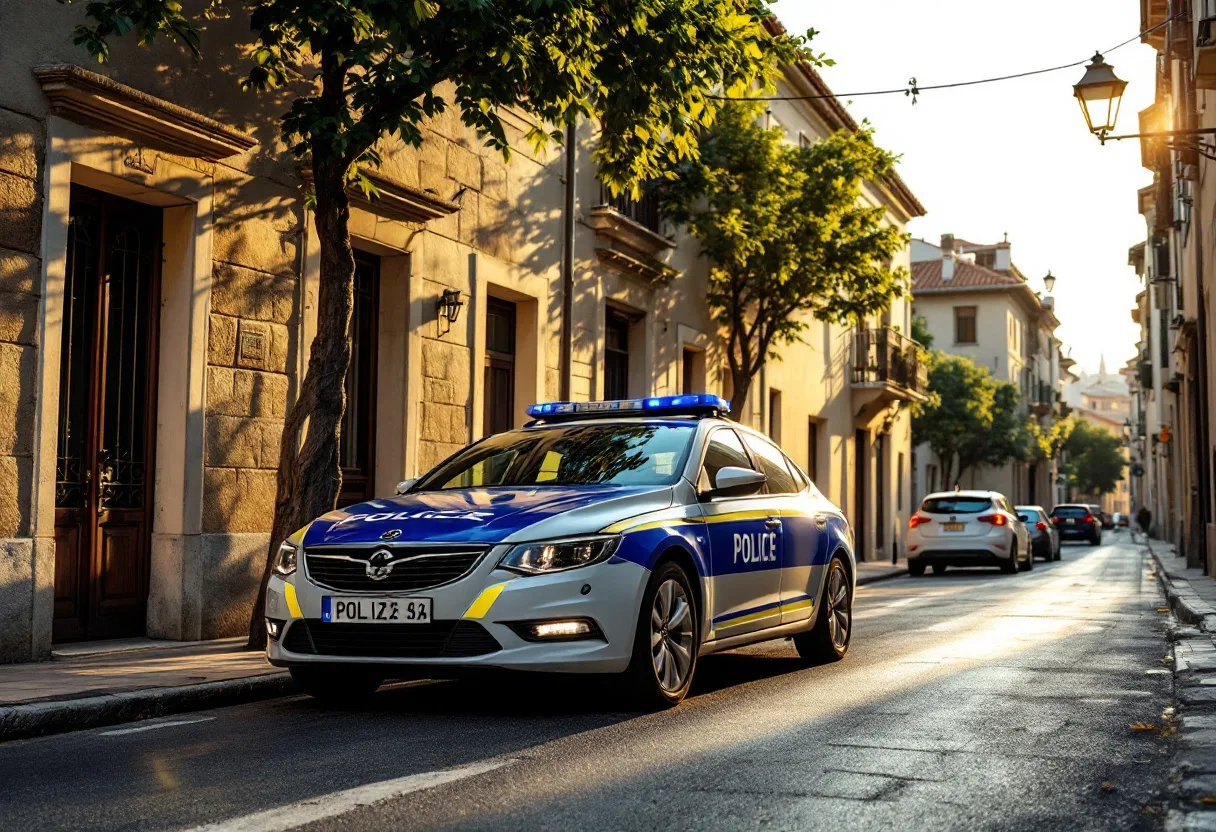
A real crime map of Barcelona
Barcelona consistently ranks among Europe’s top cities for pickpocketing — a fact worth taking seriously. Las Ramblas, the Gothic Quarter, Barceloneta, and the metro stations at Plaça Catalunya and Passeig de Gràcia see the highest concentration of pickpockets. The scheme is classic: one person distracts, another acts.
A separate concern is scooter snatching: the theft of a phone or bag on the move by someone on a scooter or bicycle. It is especially common in tourist areas and along the waterfront.
Neighborhoods with higher street tension: El Raval (especially its southern part), Poble Sec in certain blocks at night, areas around Arc de Triomf late in the evening. Neighborhoods with low everyday crime rates, comfortable for families: Sarrià-Sant Gervasi, Pedralbes, Gràcia, Eixample overall.
| Area | Safety level | Typical risk | Best for |
|---|---|---|---|
| Sarrià-Sant Gervasi | High | Minimal | Families, long-term rentals |
| Pedralbes | High | Minimal | Golden Visa holders |
| Gràcia | Medium-high | Rare thefts | Digital nomads, couples |
| El Raval | Mid-range | Pickpockets, nighttime safety | Young people, short stays |
| Barceloneta | Moderate | Pickpockets in summer | Tourists |
| Las Ramblas | Low | Pickpockets, scammers | Not for living |
Russian-language assistance in Barcelona: where to turn
Spain’s healthcare system is divided into public (sanidad pública) and private (sanidad privada). If you have a medical card (tarjeta sanitaria), you go to the nearest CAP (Centre d'Atenció Primària)**. In emergencies, go to the Urgencias department of any public hospital: they cannot turn you away even without documents.
Major hospitals with emergency departments: Hospital Clínic, Hospital de la Santa Creu i Sant Pau, Hospital del Mar, **Hospital Vall d'Hebron. Staff languages are Spanish and Catalan; English is spoken in part. Russian-speaking staff in public hospitals are virtually non-existent.
This is where the practical value of Russian-language help in Barcelona truly begins. Finding a Russian-speaking doctor, interpreter, or lawyer through a cold search is difficult and takes time you simply don’t have in an emergency. Through the SVOY Barcelona chat, you can get a current contact from someone who has already dealt with the same situation.
Private specialist consultation in Barcelona in 2026: €60–150 for an initial appointment, depending on the specialty. Private ambulance call-out — from €100. Health insurance for those without a public card — from €40–80/month (Sanitas, Adeslas, and Asisa are most common among expats).

Emergency legal assistance: theft, road accidents, administrative situations
If you’ve been robbed, the first step is to file a denuncia (police report). You can do this:
- in person at any Policía Nacional or Mossos d'Esquadra
- online at policia.es (for property crimes only, no violence involved)
- by phone — confirm the procedure in advance
Denuncia is required for insurance claims, document restoration, and statistical records. Without it, the insurance company will refuse to reimburse you.
In the event of an accident: exchange insurance details and fill out a Declaración Amistosa de Accidente (parte amistoso). If the other party is uncooperative, call 092 and document everything with photos.
Legal advice in an emergency — such as detention, a dispute with a landlord, or a labour conflict — costs a minimum of 100–200 EUR/hour in private practice. Some bar associations in Barcelona offer turno de oficio, providing free legal assistance to those who can demonstrate low income.
Common mistakes
-
Not saving numbers in advance. 112, 092, the nearest CAP number, and your insurance company’s contact should be in your phone on day one — not after the first incident.
-
Count on English in emergency situations. Police and hospitals do have English speakers, but not consistently. Basic phrases in Spanish («me han robado», «necesito ayuda», «llame a una ambulancia») genuinely speed up the response.
-
Not filing a denuncia after a theft. People assume it’s pointless. Without a denuncia there is no insurance claim, and no way to restore documents through the consulate on a simplified basis.
-
Carrying original documents on you. A copy of your passport — physical or on your phone — is sufficient. Keep originals at home in a safe or a secure place.
-
Skipping private insurance while waiting for the tarjeta sanitaria. Getting a public health card takes time, and during that period any hospital visit comes out of pocket.
-
Overestimating the safety of ’tourist’ areas. Las Ramblas feels lively and safe — which is precisely why the city’s most skilled pickpockets work there.
Barcelona is a comfortable and broadly safe European city, but with specific, predictable risks — ones that are easy to minimise if you know the geography, have the right numbers saved, and understand how the system works. For Russian-speaking expats, especially in the first few months, access to SOS contacts in their own language — a lawyer, a doctor, a translator — is critical precisely when there is no time to search.
The SVOY app — a marketplace for fellow expats
Services, goods, housing, and jobs worldwide. Post your own listing for free.
SVOY ECOSYSTEM
What else you may need
Tasks that most often come next. Each is handled by a dedicated SVOY service.
Rent or buy housing
Rental and purchase Barcelona: prices by neighbourhood, property due diligence, and end-to-end transaction support — SVOY HOME.
Go to websiteRegularize your status
Residence permits, visas and status renewals in Barcelona, certificates and apostille — SVOY Legal.
Go to websiteChildbirth and citizenship for the child
Childbirth in Barcelona: clinics, newborn documentation and citizenship — SVOY Baby.
Go to websiteHalal community
Nikah, halal services, and the Muslim community in Barcelona — SVOY Halal.
Go to websiteNeed help in Barcelona? Describe the situation — we’ll point you in the right direction
Leave your contact — that’s all we need; we’ll ask the rest ourselves. If you’d like, so we can prepare for the conversation in advance, please specify your request below.
Need help relocating to Barcelona?
In the international SVOY community you will find:
- Russian-language chat Barcelona
- Housing and neighbourhoods
- Schools and kindergartens
- Doctors and clinics
- Lawyers and help with paperwork
- Verified contacts and recommendations
If you come with good intentions — you’re one of us.
Join the chat Barcelona