
Safety and SOS in Toronto
Safety in Toronto: who to call in an emergency and where to find Russian-language assistance.
Toronto emergency services: what to know from day one
Safety in a new city isn’t paranoia — it’s basic preparation. Toronto ranks among the safest large cities in North America, yet unfamiliarity with local emergency procedures can turn simple situations into serious ones. This is especially true in the first weeks after moving, when you have no local network, the language still feels foreign, and the rules aren’t obvious.
This article is a practical action map for Russian speakers in Toronto: who to call, who to turn to, and how to keep your head in a crisis.
The single emergency number 911 and how to use it
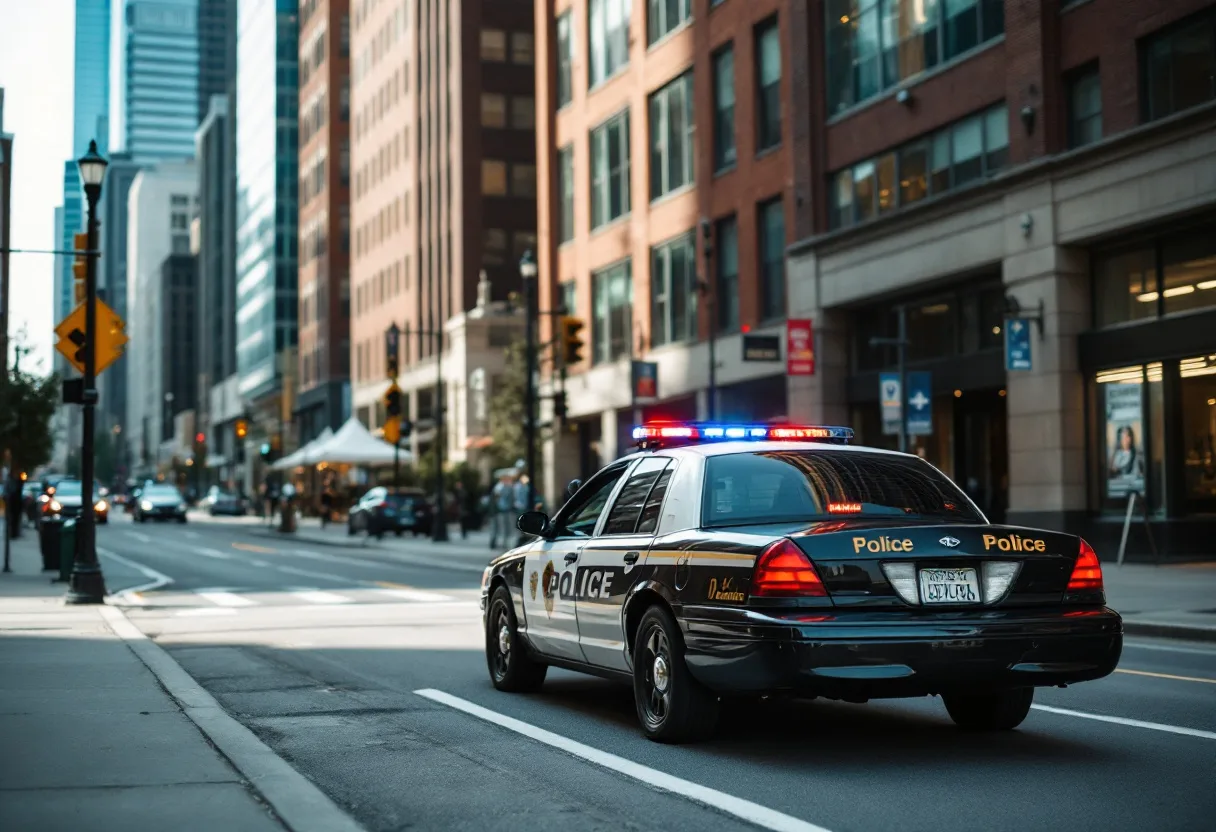
Toronto’s main emergency number is 911. It operates around the clock and connects you to:
- Toronto Police Service
- ambulance (Toronto Paramedic Services)
- Toronto Fire Services
When you call, the operator will immediately ask: police, fire or ambulance? Answer briefly and clearly. If your English is limited, just name your language: "Russian interpreter, please". By law, 911 operators are required to connect a Language Line interpreter — this takes 30–60 seconds, but it works.
An important note: making a false 911 call in Canada is a criminal offence. Call only in the event of a genuine threat to life, property, or safety.
For non-emergency situations in Toronto there is a dedicated police line — 416-808-2222. Use it to report a crime after the fact, obtain a report, or seek advice — without dispatching a 911 unit.
Medical care: ambulance, walk-in, and OHIP
Healthcare in Toronto runs through insurance. If you already have OHIP (Ontario Health Insurance Plan), emergency care and hospitalization are covered. The OHIP card is issued at ServiceOntario after you obtain status (PR, work visa, etc.) and activates after a 3-month waiting period.
Without insurance, a single emergency room visit can cost anywhere from CAD 500 to 3,000+. That’s why, in the first few months, it’s critical to have:
- private insurance (e.g., through an employer or purchased separately)
- knowing which walk-in clinics in your area accept patients without an appointment
Walk-in clinic — urgent but non-emergency care: fever, injury, infection. A visit without insurance costs around CAD 80–150. Many clinics accept direct payment.
For mental health crises in Toronto, Crisis Services Canada operates around the clock: 1-833-456-4566. It is not 911, but you will reach a live specialist.
Russian-language assistance in Toronto: where to turn
The language barrier in an emergency is one of the biggest risks for newcomers. Toronto has a Russian-speaking professional community, but finding the right specialist quickly and without the risk of encountering someone unqualified is a challenge in itself.
| Destination | What to look for | Approximate cost | Notes |
|---|---|---|---|
| Legal assistance | Immigration lawyer / paralegal | CAD 150–400/hour | Paralegals are cheaper but have limited scope |
| Medical care | Family doctor / walk-in clinic | CAD 0 (OHIP) / 80–150 without insurance | Family doctor — by appointment, wait times can stretch to months |
| Psychological support | Registered Psychologist / Social Worker | CAD 120–250/session | Partly covered by corporate insurance |
| Emergency legal | Duty counsel (free, court) | Free | Only at arrest or in criminal cases |
| Social support | Settlement services (COSTI, ACCES) | Free | Work with migrants, Russian-speaking staff available |
Prices in the table are market reference points: government fees and third-party rates at the time of publication. These are not SVOY prices — our service fees are provided on request and in the ’Services’ section.
COSTI Immigrant Services and Centre for Immigrant and Community Services work with Russian-speaking clients and provide some services free of charge — particularly orientation, documentation, and social support.
Safety by neighborhood in Toronto
Toronto is generally safe, but neighborhoods vary considerably. The Toronto Police Service publishes crime statistics openly at data.torontopolice.on.ca — you can check any address before signing a lease.
Neighborhoods with historically low crime rates where the Russian-speaking community is concentrated: North York (especially Willowdale / Yonge and Sheppard), Thornhill (technically already in Vaughan/Markham), Etobicoke (central part). The city center — Downtown Core and Regent Park — calls for standard urban caution at night.
Insider tip: car theft in Toronto surged in 2023–2024 — particularly relay attacks on keyless entry systems. If you own a car, use a Faraday pouch for your keys and a mechanical steering-wheel lock. Insurers have already begun raising premiums in certain postal codes.
Common mistakes
-
Calling 911 for non-urgent matters. Noisy neighbors, a suspicious person outside, a minor theft with no violence — that’s a call to 416-808-2222, not 911. Misusing the system slows down real emergency response.
-
Ignoring the OHIP waiting period. Three months without coverage is a genuine financial risk. Many newcomers only discover the cost of emergency care when they receive a bill for several thousand dollars.
-
Not saving key contacts in advance. In a crisis, there’s no time to search for a lawyer’s or psychologist’s number. Save essential contacts to your phone in your very first week.
-
Thinking the 911 interpreter service is a myth. Language Line is real. Don’t stay silent because of a language barrier — state your language and you will be connected.
-
Underestimating the legal consequences of domestic disputes. In Canada, a police call to a domestic incident almost always results in a report — and sometimes in one party being detained, even without any obvious aggression. This is a different legal culture.
-
Searching for a Russian-speaking specialist only through social media. Recommendations in Facebook groups are unverified. Hiring a lawyer or doctor without checking their license is a serious risk.
Bottom line: what everyone should know
For newcomers, the number-one priority is sorting out insurance and saving emergency contacts before your first night in the city. Families with children should know the nearest walk-in clinic and paediatric department. Entrepreneurs should have a trusted immigration lawyer on hand in case of document issues or labour disputes.
Russian-language support in Toronto exists — you just need to know where to look and have those contacts ready before you need them.
The SVOY app — a marketplace for fellow expats
Services, goods, housing, and jobs worldwide. Post your own listing for free.
SVOY ECOSYSTEM
What else you may need
Tasks that most often come next. Each is handled by a dedicated SVOY service.
Rent or buy housing
Rental and purchase Toronto: prices by neighbourhood, property due diligence, and end-to-end transaction support — SVOY HOME.
Go to websiteRegularize your status
Residence permits, visas and status renewals in Toronto, certificates and apostille — SVOY Legal.
Go to websiteChildbirth and citizenship for the child
Childbirth in Toronto: clinics, newborn documentation and citizenship — SVOY Baby.
Go to websiteHalal community
Nikah, halal services, and the Muslim community in Toronto — SVOY Halal.
Go to websiteNeed help in Toronto? Describe the situation — we’ll point you in the right direction
Leave your contact — that’s all we need; we’ll ask the rest ourselves. If you’d like, so we can prepare for the conversation in advance, please specify your request below.
Need help relocating to Toronto?
In the international SVOY community you will find:
- Russian-language chat Toronto
- Housing and neighbourhoods
- Schools and kindergartens
- Doctors and clinics
- Lawyers and help with paperwork
- Verified contacts and recommendations
If you come with good intentions — you’re one of us.
Join the chat Toronto